
TL;DR
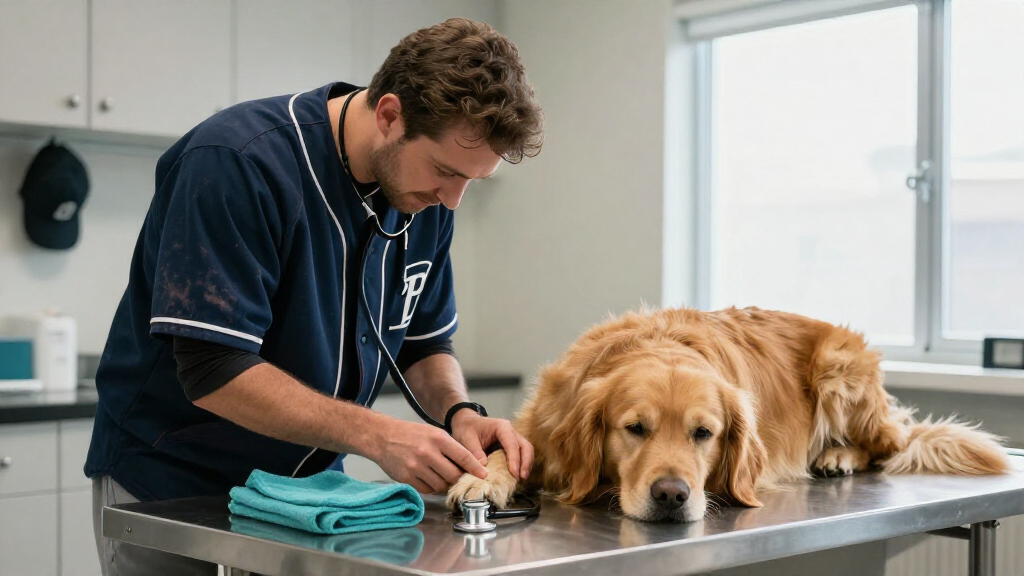
A veterinarian writing for Veterinary Practice News reflects on lessons from umpiring baseball that inform his work as a clinician and practice owner. His account focuses on making decisions under scrutiny, allowing time for thorough care and maintaining professional leadership when clients arrive with their own diagnoses.
A veterinarian and former baseball umpire has described how officiating games from his mid-teens through college and veterinary school shaped the way he handles clinical decisions, time pressures and client disagreements. In a Veterinary Practice News commentary, he draws parallels between making calls on a baseball field and guiding care in a veterinary practice, where decisions can be emotionally difficult and subject to scrutiny.
The author says umpiring was one of several jobs he held while studying, and that the experience later influenced his professional relationships and management style as a practice owner. He argues that both sports and veterinary medicine involve strong emotions, particularly when a decision disappoints someone who cares deeply about the outcome.
In his account, an umpire must make a call quickly and live with it, while a veterinarian must draw on training and observation to assess a patient and explain a diagnosis or care plan. He notes that clients may challenge recommendations about subjects such as a pet’s weight, dental health or vaccination schedule. His central point is that professionals should prepare carefully and put themselves in the best position to make sound decisions, while recognizing that an initial judgment can be wrong.
The author also questions the expectation that every appointment will fit neatly into a preset time slot. He compares veterinary visits to baseball games that may end early or extend beyond the expected number of innings: the work’s duration cannot always be known in advance. When a case needs more time, he recommends discussing options with the client, which may include additional diagnostics, a drop-off visit or a staged plan with a recheck.
Time and Judgment in Veterinary Care
The commentary addresses a practical tension in veterinary medicine: clinics need workable schedules, but patient needs and diagnostic workups do not always follow a fixed timetable. The author says rushing can contribute to poor decisions or missed findings, while moving a case to another day can add difficulty for clients who must arrange transport, time away from work or another visit.
His perspective does not set out a specific policy or measure the effects of longer appointments. Instead, it calls for clinicians to recognize early when a case may exceed its allotted time and communicate with clients about a thorough way forward. The discussion matters to veterinary professionals and pet owners because expectations about time and decision-making can shape trust during stressful visits.
Products Worth Considering

MateeyLife Napfunterlage Katzen, Napfunterlage Hund Groß Hundenapf | Kleine Hunde, Silikon Unterlage Hundenapf Grosse Hunde, rutschfeste Unterlage Katzennapf, Katzen Futternapf Matte, 45 x 30 cm
Sicher & Weniger Unordnung: Unsere napfunterlage katzen & napfunterlage hund sind aus hochwertigem silikon in lebensmittelqualität und sicher…

Gorilla Grip SilikonHaustierFuttermatte, wasserdicht, erhöhte Kanten, um Verschütten zu verhindern, einfache Reinigung in der Spülmaschine, für Hunde und Katzen, Platzierungstablett für Futter und
Wasserdichtes Design: Die Silikonmatte ist zu 100 % wasserdicht, um den Boden vor schmutzigen Lebensmitteln und Wasser zu…

SMILOOL Silikon Tierfuttermatte mit erhöhtem Rand für Futter und Wassernapf, Hundefuttermatten, Katzenfutterschalen für Boden wasserdicht, Gummiablage für Hunde und Katzen, 19 x 12 x 0,7 Hellolivgrün
Halten Sie Ihren Boden sauber – Um das Verschütten von Futter und Wasser auf dem Boden aufgrund der…
As an affiliate, we earn on qualifying purchases.
Lessons From the Umpire’s View
The source is a first-person professional commentary, not a study or a report of a change in veterinary rules. The writer presents his own experience as an umpire and practice owner, using it to discuss how perspective, preparation and responsibility carry across two different roles.
His examples range from explaining preventive care to evaluating urgent medical problems. He argues that professional judgment rests on accumulated training and observations, while acknowledging that clients may arrive with strong views or prior experience of their own. The supplied source excerpt ends during an example about a sick puppy and does not provide the full outcome of that case; no further case details are included here.
Limits of the Commentary
The supplied source material does not identify the author by name or give the article’s publication date, so those details cannot be confirmed here. It also does not provide research or clinic data showing how common appointment overruns are, how often they lead to missed findings, or what scheduling approaches work best across practices.
The excerpt cuts off while describing a puppy case, leaving its diagnosis and outcome unknown. The piece is presented as the author’s professional perspective; it does not establish that every client dispute or extended appointment can be managed in the same way.
No Policy Change Announced
The source presents a reflection on professional practice rather than an announcement of a new program, rule or planned change. It does not give a date for a follow-up or identify a next formal milestone. Its practical recommendation is for veterinary teams to recognize when a case needs more time and discuss suitable next steps with the client.
Any wider response from clinics, veterinary organizations or readers is not included in the supplied material. The author’s observations remain advice based on personal experience, rather than a reported policy adoption or measured outcome.
Key Questions
What is the development being reported?
A veterinarian has published a first-person reflection on how baseball umpiring influenced his approach to clinical judgment, scheduling and client relationships.
What lessons does he draw from umpiring?
He emphasizes making decisions from a prepared position, accepting that calls may be unpopular and allowing work to take the time needed for a careful assessment.
Does the article call for longer veterinary appointments?
The author argues against assuming every case will fit a preset time slot. He recommends discussing options when a visit needs more time, rather than prescribing a universal appointment length.
Does the source report a new veterinary policy?
No. It is a commentary based on the author’s experience, not an announcement of a policy or practice-wide change.
Source: veterinarypracticenews.com