
TL;DR
The ASPCA is using its 160th anniversary in 2026 to recount how its work with dogs has changed, from licensing working dogs in 19th-century New York to modern sheltering, rehabilitation, veterinary care and adoption programs. The organization reports that 2.8 million dogs entered U.S. shelters in 2025, underscoring the scale of the need its current programs seek to address.
The ASPCA is marking 160 years of animal-welfare work in 2026 with a retrospective tracing how its approach to dogs has shifted from protecting working animals to supporting shelter care, rehabilitation and adoption. The organization says 2.8 million dogs entered U.S. shelters in 2025, a measure of the ongoing demand for services as it describes its current programs.
In its account, the ASPCA links an early milestone to New York State’s 1867 dog-licensing law, which required licenses for dogs used to pull carts. Founder Henry Bergh helped pass the law, the organization says. At the time, dogs were used to haul goods and perform other labor, and licensing also helped establish ownership. The ASPCA later administered New York City’s dog-licensing program for roughly a century, issuing licenses for as many as 250,000 dogs annually by the mid-20th century. Fees helped fund sheltering and rescue work, according to the organization.
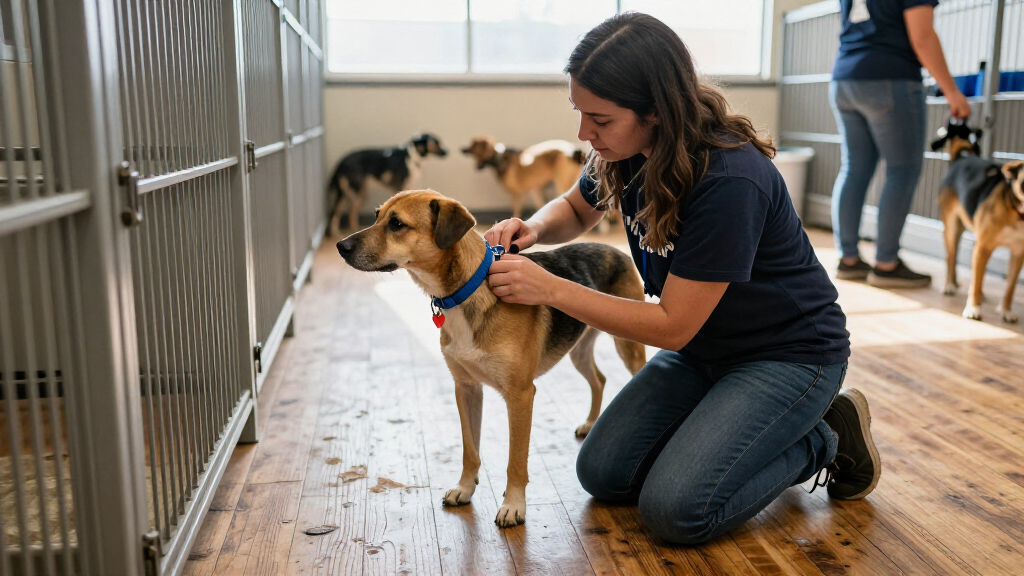
The report describes a major change in shelter conditions over time. Early ASPCA shelters housed dogs in group pens modeled on horse stables. In the final five months of 1895, after the organization took on New York City’s animal-care contract the previous year, it took in more than 21,000 dogs. Later facilities introduced features such as individual kennel access to outdoor runs; the ASPCA’s current Manhattan Adoption Center has indoor training rooms and spacious kennels.
The organization says its present-day work includes rehabilitation for rescued dogs, behavioral care, veterinary services, foster placements and transfers to communities where animals may be more likely to find homes. From 2014 through 2025, its Animal Relocation program moved 300,000 animals, including more than 217,000 dogs. In 2025, the ASPCA and clinics it funded performed more than 129,000 spay-and-neuter surgeries for dogs and cats and provided veterinary and behavioral care for 109,000 animals, according to its report.
From Cart Dogs to Shelter Care
The retrospective shows how the ASPCA’s dog-related work has broadened as dogs’ roles in society changed. Licensing once addressed ownership and oversight of animals used for labor; today, the organization describes a network of services intended to help dogs enter shelters, recover from cruelty or behavioral challenges, receive care and reach adoptive homes. That shift matters to readers because shelter outcomes depend on more than adoption listings: medical care, fostering, behavior support and transport can all affect whether a dog is ready and able to move into a home.
The figures also put the organization’s services against the scale of shelter intake. The reported 2.8 million U.S. dog shelter entries in 2025 indicates substantial demand, though the ASPCA article does not explain how that number was calculated or how many entries represent unique dogs. Its reported relocation, foster and veterinary activity offers a snapshot of its response, not a complete measure of the national shelter system or its outcomes.
Products Worth Considering

PEGGY11 Edelstahl Metall Katzennäpfe Lebensmittelqualität, BPA-frei, Premium Haustiernäpfe für Futterwasser, rutschfeste Gummiunterseite, spülmaschinenfest, leicht zu reinigen, 2 Tassen, 2 Stück
Es gibt Kunststoff- und Keramik-Hundenäpfe auf dem Markt. Kunststoffe sind billiger, leichter und haben mehr Formen und Farben;…
PEGGY11 Hundenäpfe aus Edelstahl, 20 ml, 2 Stück
Maße und Kapazität: Durchmesser 20,3 cm ohne Lippe, Durchmesser 21,6 cm mit Lippe, 6,6 cm Höhe und die…
As an affiliate, we earn on qualifying purchases.
A Century of Changing Dog Programs
Dogs were domesticated from wolf ancestors and became working companions in roles including hunting, herding, guarding and hauling, according to the ASPCA’s history. By the organization’s founding in 1866, dogs were common in cities as labor animals as well as companions. The 1867 licensing law reflected that reality; licensing requirements later expanded to include pet dogs.
The ASPCA says it began offering public dog-obedience courses in 1944, pairing dogs with their owners for training. By 1964, 20,000 owned dogs had taken part. The organization frames that history as a precursor to its current attention to behavior and rehabilitation. Its anniversary series is also being published during October, which animal-welfare groups promote as Adopt a Shelter Dog Month.
““Dogs are the most popular companion animal in the United States, living in about half of all households.””
— ASPCA
What the Figures Do Not Show
The report is an ASPCA account of its own history and programs; it does not provide independent evaluation of their effects on adoption rates, animal welfare or shelter capacity. It also does not give methods or sources for several broad figures, including the estimate of 2.8 million dogs entering U.S. shelters in 2025. It is unclear how many dogs were adopted, reunited with owners or entered shelters more than once, and the article does not provide comparable figures from earlier years. The report’s mention of The Rescue Effect campaign as being in its final month does not specify its end date or subsequent results.
Adoption Campaigns and Ongoing Care
The ASPCA says it is partnering with more than 500 shelters nationwide through The Rescue Effect campaign, with grant funding intended to help 200 shelters waive adoption fees. The report describes the campaign as being in its final month, but gives no precise closing date or final tally of adoptions. Readers seeking current participation details would need to check with the ASPCA or their local shelter.
The organization’s anniversary series continues throughout 2026, according to the article. Its account points to ongoing shelter, foster, veterinary, rehabilitation and relocation services, but does not announce a new program or provide a future target for those efforts.
Key Questions
What is the ASPCA reporting in this article?
The ASPCA is recounting changes in its work with dogs over its 160-year history, from early licensing efforts to current shelter, rehabilitation, veterinary, foster and adoption programs.
How many dogs entered U.S. shelters in 2025?
The ASPCA reports that 2.8 million dogs entered U.S. shelters in 2025. Its article does not explain the calculation or say whether the figure represents unique dogs or shelter entries.
What was the 1867 dog-licensing law about?
According to the ASPCA, New York State required licenses for dogs used to pull carts. The organization says its founder, Henry Bergh, helped pass the law, which also established ownership of the working dogs.
What services does the ASPCA report offering dogs now?
The organization lists sheltering, rehabilitation, veterinary and behavioral care, fostering, relocation and adoption support. It also reports spay-and-neuter services through the ASPCA and clinics it funds.
What remains unknown about the reported program figures?
The article does not provide independent assessments of program outcomes or detailed methods for several statistics. It also does not report final results for The Rescue Effect campaign or specify how many shelter entries involved repeat stays.
Source: rss