
TL;DR
Veterinary experts warn pet owners about five hidden spring hazards that pose risks to pets. This season’s dangers include plants, chemicals, and environmental risks. Staying informed can prevent emergencies.
Veterinary experts have confirmed that five common yet often overlooked spring hazards pose significant risks to pets this season. Understanding pet toxicity can help pet owners take preventive measures. These hazards include toxic plants, chemicals, and environmental dangers that can lead to serious health issues or emergencies if not properly managed. The warning aims to help pet owners take preventive steps as they enjoy outdoor activities with their animals.
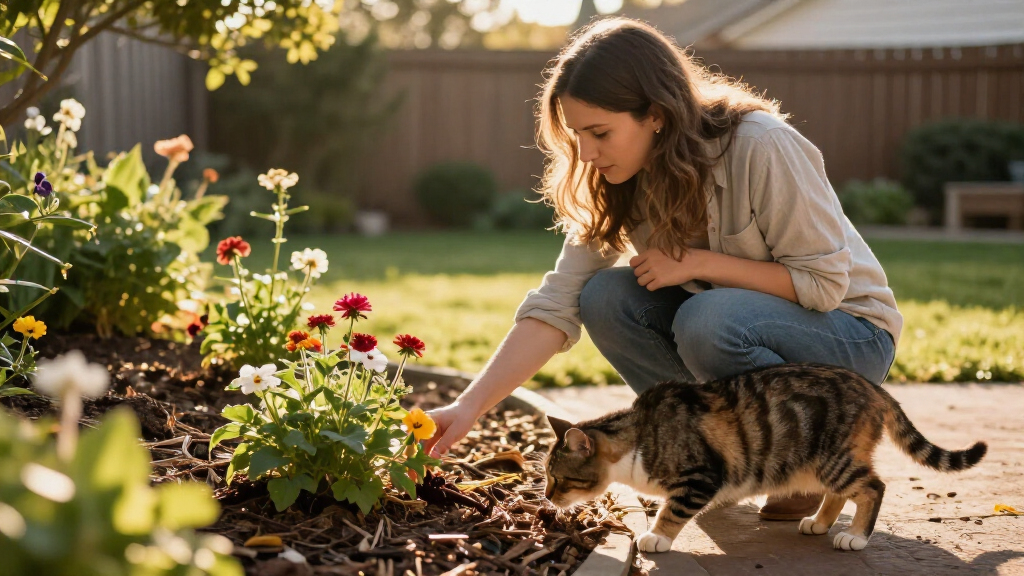
According to the American Veterinary Medical Association (AVMA), pet owners should be particularly cautious of certain plants like azaleas, lilies, and tulips, which are toxic to both cats and dogs. Experts emphasize that ingestion of these plants can cause symptoms ranging from vomiting and diarrhea to more severe issues like organ failure. Pet owners should be aware of potential dangers, including toxic substances in the environment.
Additionally, the use of chemical fertilizers, pesticides, and herbicides increases in spring, raising the risk of accidental poisoning if pets come into contact with treated lawns or gardens. Veterinarians advise keeping pets away from freshly treated areas and storing chemicals securely out of reach.
Environmental hazards such as ticks, fleas, and other parasites become more prevalent as the weather warms. These parasites can transmit diseases like Lyme disease and ehrlichiosis, which veterinarians warn pet owners to prevent through regular treatments and checks.
Other dangers include outdoor trash and compost piles, which may contain spoiled food or toxic substances, and certain human foods like chocolate or grapes that are more accessible during outdoor picnics and gatherings. Pet owners are encouraged to supervise outdoor activities and ensure waste is properly disposed of. For more safety tips, see pet safety guidelines.
Finally, rising temperatures can lead to heatstroke, especially in small or brachycephalic breeds, making it essential for owners to provide shade, water, and limit outdoor activity during peak heat hours.
Why Spring Hazards Pose Real Risks to Pets
This season’s hidden hazards can cause serious health issues or emergencies for pets, leading to costly veterinary treatments and emotional distress for owners. Recognizing these risks early can prevent poisoning, infections, or injuries, ensuring pets stay healthy and safe during outdoor activities.
Moreover, increased awareness about common spring dangers helps reduce the number of pet-related emergencies reported during this period. Veterinary professionals stress that proactive prevention is the most effective way to protect animals as they enjoy the outdoors.

3 x Haustierfreundliches Pflanzenbundle – Trio aus Calathea Elgergrass, Chamaedorea Elegans, Chlorophytum Comosum – Echte Zimmerpflanzen, haustiersicher, in 12 cm Töpfen.
- Pet-Friendly Plant Bundle: Safe for your furry family members
- Vibrant Indoor Plant Mix: Perfect for dramatic or separate displays
- Air-Purifying Properties: Removes toxins and improves air quality
As an affiliate, we earn on qualifying purchases.
As an affiliate, we earn on qualifying purchases.
Springtime Risks and Pet Safety Trends
Spring is traditionally a time for outdoor fun, but it also brings a surge in hazards that can harm pets. Past seasons have seen increased reports of toxic plant ingestion, parasite-borne illnesses, and chemical poisoning. The AVMA and other veterinary groups have issued seasonal warnings based on data collected over multiple years, highlighting the importance of vigilance during this period.
Historically, pet owners tend to underestimate the danger of common plants and chemicals, which leads to preventable emergencies. Recent surveys indicate a rise in pet poisonings related to spring gardening activities and outdoor exposure. This trend underscores the need for increased awareness and preventive practices.
Veterinary clinics typically see a spike in cases of poisoning, parasite infections, and heat-related illnesses during spring, prompting professionals to remind owners about the specific risks associated with this season.
“Spring hazards like toxic plants and chemicals are preventable if pet owners take proper precautions. We urge vigilance as outdoor activities increase.”
— AVMA spokesperson

Electric Fly Trap Lamp Portable Silent Indoor Outdoor
- Electric Shock Technology: Silent and effective fly control
- Safe for Indoor and Outdoor Use: No harmful substances around pets
- Compact and Portable Design: Lightweight for easy placement anywhere
As an affiliate, we earn on qualifying purchases.
As an affiliate, we earn on qualifying purchases.
While veterinary experts agree on the common hazards, precise data on the number of incidents caused by these specific dangers during spring 2024 is still emerging. The full scope of risks and the most effective prevention strategies are under ongoing review, and regional variations may influence the prevalence of certain hazards.
It is not yet clear how much the recent increase in outdoor activities will impact incident rates or whether new hazards will emerge this season. Veterinary professionals continue to monitor and analyze data to refine their advice.
![PURAHELP® Erste Hilfe Set für Hund & Katze [51 TEILE]](https://m.media-amazon.com/images/I/41qOORWK-VL._SL500_.jpg)
PURAHELP® Erste Hilfe Set für Hund & Katze [51 TEILE]
- Comprehensive Kit: Includes 51 essential first aid items
- First Aid Guide: Detailed instructions for dogs and cats
- Waterproof Bag: Keeps contents dry and clean
As an affiliate, we earn on qualifying purchases.
As an affiliate, we earn on qualifying purchases.
Next Steps for Pet Owners This Spring
Veterinary groups recommend that pet owners review their outdoor spaces for toxic plants and secure chemicals and trash. Regular parasite prevention treatments should be maintained, and outdoor activities should be scheduled during cooler parts of the day to prevent heatstroke.
Pet owners are encouraged to stay informed through veterinary updates and local advisories. Routine checks for parasites and signs of poisoning should be part of regular pet care, especially as outdoor exposure increases.
Further research and data collection will help refine safety guidelines, and veterinary clinics are prepared to handle potential emergencies related to these hazards.

Outdoor Pet Shade Canopy 90% UV-Block-Mesh Schnell kühlendes Gewebe für Hundehütten, Bullpen, Kaninchengehege und mehr – 1,8 m x 6,1 m Größe
- Durable Sunshade Fabric: High-density polyethylene for durability
- 90% UV Protection: Excellent sun protection and breathability
- Reinforced Storage Bags: Sturdy seams for tear resistance
As an affiliate, we earn on qualifying purchases.
As an affiliate, we earn on qualifying purchases.
Key Questions
Which plants are most toxic to pets in spring?
Common toxic plants include azaleas, lilies, tulips, and daffodils. Ingestion can cause vomiting, diarrhea, and more severe health issues.
How can I protect my pet from chemicals and pesticides?
Keep chemicals and fertilizers out of reach, avoid applying them when pets are outside, and wash pets thoroughly after outdoor gardening.
What are the signs of parasite infections in pets?
Signs include itching, swelling, lethargy, and abnormal behavior. Regular parasite prevention and vet check-ups are recommended.
How can I prevent heatstroke in my pet during spring?
Provide shade, fresh water, and limit outdoor activity during peak heat hours, especially for small or brachycephalic breeds.
When should I seek veterinary help for suspected poisoning?
If your pet shows signs like vomiting, diarrhea, weakness, or difficulty breathing, contact your veterinarian immediately.
Source: rss