TL;DR
Gidget, a 2-year-old Yorkshire Terrier rescued by the NYPD, was diagnosed with a congenital portosystemic shunt after ASPCA veterinary tests found signs of a liver problem. She underwent surgery on Feb. 11, 2026, and the ASPCA reports that she recovered well and needed fewer medications afterward. Her longer-term outcome and adoption status are not specified in the supplied report.
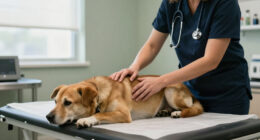
Gidget, a 2-year-old Yorkshire Terrier rescued in New York City, underwent surgery on Feb. 11, 2026, to correct a congenital portosystemic shunt, an abnormal blood vessel that was diverting blood away from her liver. The ASPCA said she recovered well and did exceptionally well as her medications were reduced, following months of veterinary monitoring and care.
The ASPCA said the New York Police Department brought Gidget to its Animal Recovery Center after a witness reported seeing her owner kick and punch her on a sidewalk days before Halloween. She arrived thin, with matted and unkempt fur, and had a recent history of blunt force trauma, according to the organization. The report does not describe any charges or provide further details about the alleged abuse.
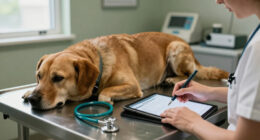
During a forensic veterinary workup, repeated lab tests showed a type of anemia, unusual crystals in her urine and altered liver values. Gidget also had an inconsistent appetite, intermittent vomiting and periods of lethargy. An ultrasound and consultation with an internal medicine specialist found changes concerning for a congenital portosystemic shunt (cPSS), the ASPCA said.
Gidget received close monitoring, medication timed around meals and a controlled-protein diet while she gained weight and recovered in ASPCA facilities. She was transferred to the organization’s Recovery & Rehabilitation Center in Pawling on Dec. 4, 2025, then later returned to New York City for continued care. On Feb. 11, surgeon Dr. Gayle closed the vessel; the team also took a liver tissue sample. The ASPCA said the biopsy found decreased blood flow in the liver, consistent with the cPSS diagnosis.
How the Shunt Affected Gidget
A cPSS can interfere with the liver’s role in processing substances carried from the intestines. In Gidget’s case, the abnormal vessel allowed blood to bypass the liver, according to the ASPCA. The organization says this can affect nutrition and liver development and allow substances such as ammonia to circulate at dangerous levels.
The ASPCA describes the condition as capable of causing hepatic encephalopathy, a serious neurologic illness that may involve lethargy or seizures and can be fatal if untreated. Gidget’s case illustrates why her diagnosis required more than routine shelter care: she needed careful observation, scheduled medication and diet management while the veterinary team assessed whether surgery could correct the vessel.
The report also describes low blood sugar episodes: Gidget collapsed a couple of times after being too active, and staff sought medical attention promptly. Her treatment involved coordination among veterinary and shelter teams, as well as foster care during recovery. The ASPCA says she improved after surgery, but its account does not provide follow-up test results or a long-term prognosis.
Products Worth Considering

Gorilla Grip SilikonHaustierFuttermatte, wasserdicht, erhöhte Kanten, um Verschütten zu verhindern, einfache Reinigung in der Spülmaschine, für Hunde und Katzen, Platzierungstablett für Futter und
Wasserdichtes Design: Die Silikonmatte ist zu 100 % wasserdicht, um den Boden vor schmutzigen Lebensmitteln und Wasser zu…

MateeyLife Napfunterlage Katzen, Napfunterlage Hund Groß Hundenapf | Kleine Hunde, Silikon Unterlage Hundenapf Grosse Hunde, rutschfeste Unterlage Katzennapf, Katzen Futternapf Matte, 45 x 30 cm
Sicher & Weniger Unordnung: Unsere napfunterlage katzen & napfunterlage hund sind aus hochwertigem silikon in lebensmittelqualität und sicher…

6 x Silikon-Haustierfutter-Matten, weiße Katzenfutter-Matten, klein
Hochwertiges sicheres Silikon: Diese Silikon-Haustierfuttermatte ist aus lebensmittelechtem BPA-freiem Silikon gefertigt, dicker als Standardmatten für eine lange Haltbarkeit….
As an affiliate, we earn on qualifying purchases.
From Rescue to February Surgery
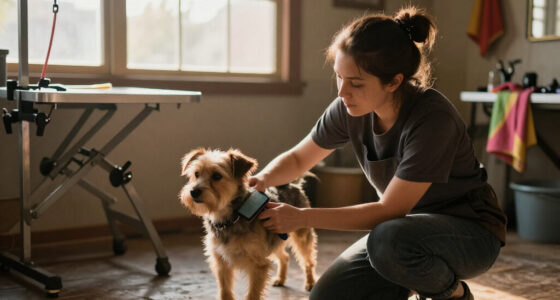
At the Animal Recovery Center, staff monitored Gidget, groomed her and helped her put on weight. The ASPCA said her care included frequent examinations and blood draws, with teams instructed to watch for signs of neurologic problems and make sure her medications were given on time. Because the prescribed diet required strict protein control, staff searched for enrichment items she would accept that fit the dietary plan.
After her Dec. 4 transfer to Pawling, Gidget spent about a month at the Recovery & Rehabilitation Center before returning to the ASPCA Adoption Center in New York City. The organization said she continued to receive close monitoring, largely in foster care, while awaiting surgery. The source report describes the treatment timeline but does not specify when the shunt was first definitively confirmed beyond saying that ultrasound findings were concerning for cPSS.
The ASPCA says surgery can correct cPSS when a single vessel bypassing the liver can be identified. In Gidget’s operation, the surgical team closed the vessel and collected a liver sample for biopsy. The report does not state whether the biopsy led to any additional treatment.
Long-Term Recovery Still Unreported
The ASPCA report says Gidget recovered well after surgery and did exceptionally well as her medications were reduced, but it does not provide later follow-up results, a detailed prognosis or information about whether she will need additional treatment. It also does not say whether her liver function returned to normal.
The source material begins describing a foster caregiver, Jessica L., who responded to an appeal for post-surgery care, but it ends before explaining the outcome of that placement. Gidget’s current foster, adoption or permanent-home status is therefore not established by the information provided. The report also does not give details about any legal case connected to the alleged abuse.
Follow-Up and a Permanent Home
The ASPCA account indicates that Gidget’s recovery continued with reduced medication after surgery. Further veterinary follow-up would be needed to establish her longer-term health, but the supplied report gives no appointment schedule, test results or expected timeline.
The organization’s report also describes foster care as part of Gidget’s recovery plan. It does not confirm what happened after Jessica L. responded to the foster request or whether Gidget was later made available for adoption. Those details remain the next developments readers would need to know to understand her ongoing care and placement.
Key Questions
What condition did Gidget have?
She was diagnosed with a congenital portosystemic shunt, an abnormal vessel that allows blood from the intestines to bypass the liver. The ASPCA said her lab work and ultrasound raised concern for the condition.
What surgery did Gidget receive?
On Feb. 11, 2026, ASPCA surgeon Dr. Gayle closed the vessel bypassing Gidget’s liver. The surgical team also collected a liver tissue sample for biopsy.
How did the ASPCA say she recovered?
The ASPCA reported that Gidget recovered well and did exceptionally well as her medications were reduced. The report does not include later test results or a longer-term prognosis.
Has Gidget been adopted?
The supplied report does not confirm an adoption or describe her final placement. It says she needed a quiet foster home during recovery and mentions a caregiver who responded to a request for help.
Source: aspca.org