TL;DR
Veterinary surgeon Kendra Freeman argues that discussions of soft tissue surgery should cover a pet’s individual diagnosis, prognosis, available procedures, anesthesia risks and likely recovery. Her report is professional guidance, not a new study or policy announcement; the source provides no publication date or new outcome data.
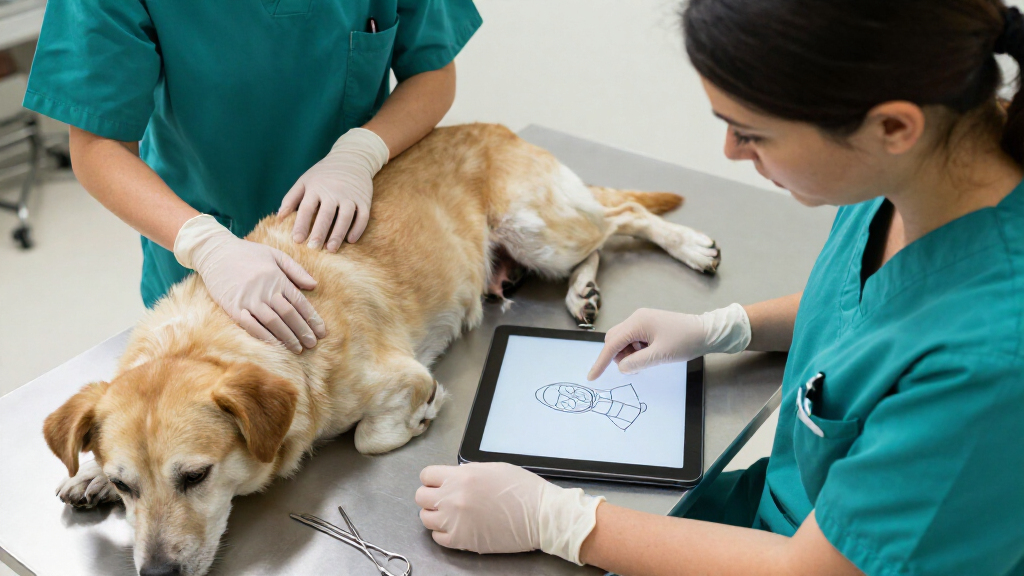
Veterinary surgeon Kendra Freeman says pet owners should receive individualized explanations of surgical options, complications and recovery expectations, rather than a recommendation based only on diagnosis or procedure cost. In a Veterinary Practice News report, Freeman describes this as a way to help clients make informed decisions when online information, coexisting conditions or anesthesia concerns shape their understanding of a proposed operation.
Freeman, identified as a veterinarian with specialty credentials in large- and small-animal surgery, notes that clients may research a diagnosis before a referral consultation. Reliable information can support a fuller discussion, she writes, while less reliable sources may create unrealistic expectations. She recommends considering the pet’s history, examination findings and other health conditions together, especially when a diagnosis or prognosis is not straightforward.
Her examples include cranial cruciate ligament injuries, where a partial tear or chronic, bilateral disease with osteoarthritis may require a different assessment from a recent complete rupture. Freeman says concurrent conditions can affect treatment recommendations and recovery expectations. She also advises clinicians to explain reasonable procedures, their advantages and limitations, and options available through general practice, a visiting specialist or referral. Cost and travel are relevant, but should not be the only differences discussed.
The report addresses anesthesia as a frequent client concern, including when a pet has comorbidities or a prior adverse experience. Freeman cites published estimates of 10–12% for anesthesia-related complications in dogs and cats, with reported anesthetic deaths below 1%. She also cites rates of perianesthetic complications of up to 49% in brachycephalic patients. These figures are presented in the report as estimates from cited studies; the supplied material does not provide study dates, definitions or methods. Freeman emphasizes individualized anesthetic planning and monitoring, and recommends discussing practical recovery questions before surgery, such as mobility, appetite and expected bowel movements.
Clear Choices Before Surgery
For pet owners, a surgical recommendation involves more than deciding whether to proceed. Understanding what alternatives exist, what each can and cannot achieve, and what risks apply to their particular animal can help families weigh treatment against their circumstances. Freeman cautions clinicians against assuming which option a client will choose; informed clients may select different procedures based on their pet and household needs.
For veterinary teams, the report highlights communication as part of planning, not an afterthought. Setting expectations about anesthesia and postoperative recovery may help clients prepare for care at home and recognize that individual outcomes depend on the patient’s health and procedure. The article offers professional guidance; it does not report evidence that a particular communication approach reduces complications or improves surgical outcomes.
As an affiliate, we earn on qualifying purchases.
From Diagnosis to Recovery Planning
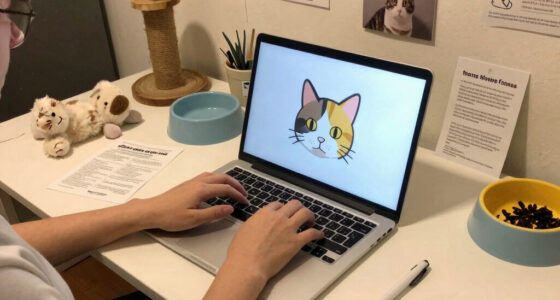
The report describes a changing consultation environment in which clients may arrive with information gathered from search engines, social media and AI tools. Freeman presents this research as potentially helpful when accurate, but says it can also leave owners with a mistaken understanding of diagnosis or treatment. Her advice is to address what clients have learned while grounding recommendations in the animal’s own examination and medical history.
Freeman’s discussion ranges across surgical decision-making rather than focusing on one procedure. Examples include spay approaches and treatment options for cruciate ligament injury, alongside referral procedures such as total hip arthroplasty or femoral head and neck excision. The central point is to explain applicable options and constraints without presuming a client’s preference. The supplied excerpt begins a discussion of age and frailty but ends before completing it, so no further guidance on that topic can be confirmed from the material provided.
anesthesia monitoring equipment for pets
As an affiliate, we earn on qualifying purchases.
As an affiliate, we earn on qualifying purchases.
Limits of the Risk Estimates
The supplied report excerpt does not identify the studies behind its anesthesia figures beyond numbered references, and it does not specify how those studies defined a complication, which patients they included or when the data were collected. The cited rates should not be treated as an individual pet’s predicted risk. The excerpt also does not provide comparative outcome data for the different procedures it discusses or establish that one communication method leads to better results.
The material ends partway through Freeman’s discussion of frailty and age, so her full argument on that subject is unavailable here. It is also not clear from the supplied source when the article was published. Readers should ask their veterinarian how the pet’s diagnosis, other conditions and proposed procedure affect its own risk and expected recovery.
As an affiliate, we earn on qualifying purchases.
Questions for the Consultation
The report describes no scheduled policy change, clinical trial or follow-up announcement. Its practical next step is a direct discussion between each owner and the veterinary team before a procedure: which options are reasonable, what trade-offs apply, how anesthesia will be tailored and monitored, and what recovery at home may involve. If a specialist referral is available, owners can ask what it offers compared with treatment at their current clinic.
Those answers will depend on the individual animal and the procedure. The supplied material does not set out a universal checklist or a single risk estimate that applies to every patient; the veterinarian performing or overseeing care is the appropriate source for case-specific advice.
soft tissue surgery guide for pet owners
As an affiliate, we earn on qualifying purchases.
As an affiliate, we earn on qualifying purchases.
Key Questions
What is the report about?
Veterinary surgeon Kendra Freeman describes how clinicians can explain diagnosis, prognosis, surgical alternatives, anesthesia concerns and expected recovery to pet owners. It is professional guidance, not a report of a new clinical study.
What anesthesia complication figures does Freeman cite?
The report cites estimates of 10–12% for anesthesia-related complications in dogs and cats, reported anesthetic deaths below 1%, and perianesthetic complications of up to 49% in brachycephalic patients. The supplied excerpt does not include the underlying studies’ methods or dates, and the figures are not an individual pet’s risk prediction.
Should owners hear about more than one surgical option?
Freeman says veterinarians should explain reasonable options and their advantages, disadvantages and limitations, including referral options when relevant. Which procedures are appropriate depends on the pet’s diagnosis and circumstances.
What should owners ask about recovery?
Owners can ask when their pet may be expected to walk, how appetite may change and when a bowel movement is expected, along with any procedure-specific instructions. The report recommends discussing these expectations before surgery; the treating veterinarian should provide advice for the individual patient.
Source: rss