TL;DR
Dog backpacks are designed for outdoor use, helping dogs carry essentials during walks or hikes. They improve exercise and bonding but must fit properly and be used safely. They are not meant for carrying school supplies inside classrooms.
Imagine taking your dog on a hike and watching it happily trot along, carrying its own water, treats, and a few toys. That’s the magic of a dog backpack. These aren’t just cute accessories; they turn your furry friend into a little pack mule, ready for outdoor adventures. But they’re also more than just functional—they’re a way to involve your dog more actively in your outings.
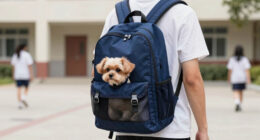
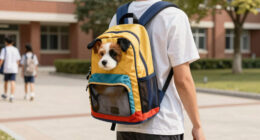
While the phrase “dog backpacks for school” might conjure images of pups with tiny backpacks filled with school supplies, these gear pieces are really designed for outdoor activities, training, or travel. If you’re curious about how to pick the perfect one, what safety tips to follow, and why they’re worth considering, you’re in the right place.
Always measure your dog carefully and choose a pack that fits snugly but comfortably.
Limit your dog’s load to 10-20% of its body weight to prevent injury.
Look for modern features like breathable fabrics, adjustable straps, and reflective elements.
Dog backpacks are best for outdoor activities—not for carrying school supplies inside classrooms.
Monitor your dog for signs of discomfort and stop using the pack if it causes any issues.
What Makes a Dog Backpack Safe and Comfortable? Here’s How to Pick the Right Fit
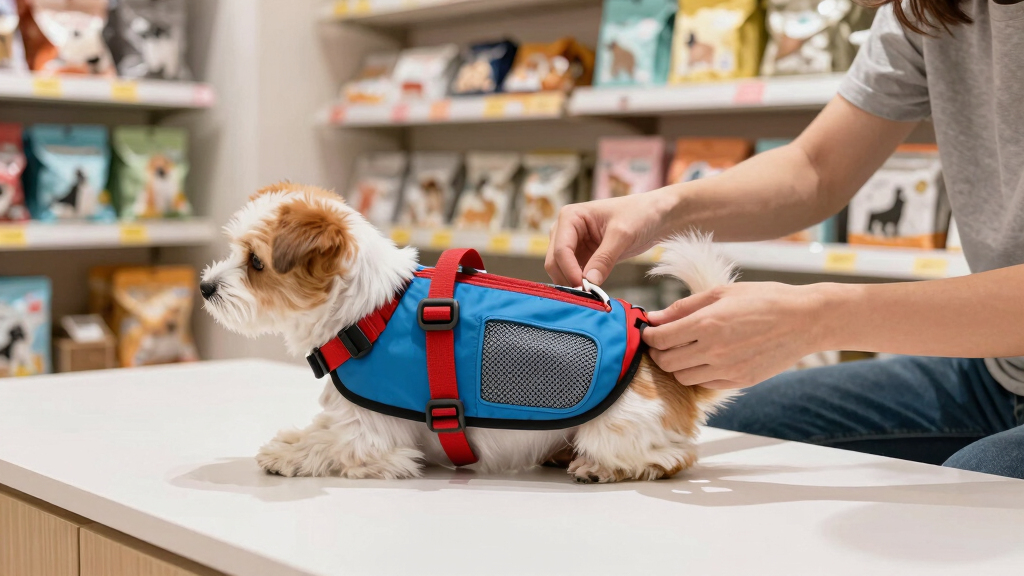
The first thing to know: a dog backpack isn’t just about style. It’s about comfort and safety. An ill-fitting pack can cause chafing, discomfort, or worse—injury. The importance of a proper fit extends beyond immediate comfort; it influences your dog’s ability to move freely and maintain balance during activity. An improperly fitted pack can shift unexpectedly, throw off your dog’s gait, or cause strain on sensitive areas like the shoulders or spine, increasing the risk of long-term injury. The key is a snug but not tight fit, with adjustable straps that won’t slip or rub.
For example, a medium-sized Labrador needs a pack that wraps around its chest and belly without constricting movement. Look for padded straps, breathable mesh panels, and reflective strips for visibility. A good rule of thumb: measure your dog’s girth and length, then choose a backpack that matches those dimensions. Adjust the straps so it sits comfortably—firm enough to stay in place but loose enough to breathe and move freely. Remember, the goal is to distribute weight evenly while allowing natural movement, which helps prevent fatigue and injury over extended use.

apollo walker HundeRucksack und KatzenRucksack für Kleine Haustiere(Belastbarkeit 2-15kg) – Gepolsterter Rückenstütze Hundetasche Atmungsaktiver Netz-Tierrucksack für Wandern, Reisen, Schwarz
Premium-Material & Pflegeleicht: Dieser Rucksack besteht aus Polyester, das verschleißfest, waschbeständig, hitzebeständig, nicht leicht zu verformen und langlebig…
As an affiliate, we earn on qualifying purchases.
As an affiliate, we earn on qualifying purchases.
Latest Trends in Dog Backpacks: What’s New and Exciting?
The world of dog backpacks is evolving fast. Modern designs focus on lightweight, eco-friendly fabrics that breathe better and last longer. These materials help reduce the overall weight your dog has to carry, which is crucial because unnecessary weight can cause fatigue or discomfort over time. Many now include padded ergonomic straps, which distribute weight more evenly across your dog’s body, reducing pressure points and making longer hikes more comfortable.
Some backpacks are packed with smart features that enhance functionality and safety. Imagine a pack with a built-in hydration reservoir—perfect for hot days, as it allows your dog to stay hydrated without extra fuss. Others come with GPS trackers or activity monitors, turning your dog into a high-tech adventure buddy. These features not only improve safety but also help you keep track of your dog’s activity levels and location. Customization options, like choosing colors, adding reflective patches, or personalizing with your dog’s name, enhance visibility and make the gear more appealing. These innovations show how technology and design are making outdoor adventures safer and more enjoyable for both dogs and owners.
apollo walker HundeRucksack und KatzenRucksack für Kleine Haustiere(Belastbarkeit 2-15kg) – Gepolsterter Rückenstütze Hundetasche Atmungsaktiver Netz-Tierrucksack für Wandern, Reisen, Schwarz
Premium-Material & Pflegeleicht: Dieser Rucksack besteht aus Polyester, das verschleißfest, waschbeständig, hitzebeständig, nicht leicht zu verformen und langlebig…
As an affiliate, we earn on qualifying purchases.
As an affiliate, we earn on qualifying purchases.
Key Facts Every Dog Owner Should Know Before Buying a Backpack
Dog backpacks are primarily designed to enhance outdoor activities, offering a practical way for dogs to carry essentials like water, snacks, or small gear during walks or hikes. They are not a substitute for school supplies or everyday items carried inside a classroom or home. Understanding the intended use helps prevent misuse that could compromise your dog’s safety or comfort. Breed size plays a critical role: larger dogs can typically carry more weight—up to 20% of their body weight—because their larger frame can handle the load without strain. Smaller or more fragile breeds should carry less or avoid backpacks altogether, as their bodies are less suited to carrying weight, which could lead to injury or fatigue.
Safety is the top priority: a properly fitted pack ensures weight is evenly distributed, reducing pressure on any one area and minimizing the risk of strain. Overloading or poorly fitted packs can cause discomfort, gait issues, or even long-term musculoskeletal problems. Puppies, senior dogs, or those with existing health issues might not tolerate backpacks well, as their bodies are more vulnerable to strain. Always consult your veterinarian before introducing a backpack to your dog, especially if it has health concerns. Think of a backpack as a fun extension of your dog’s gear—designed for active, outdoor use—rather than a heavy-duty carrier for all possessions.
apollo walker HundeRucksack und KatzenRucksack für Kleine Haustiere(Belastbarkeit 2-15kg) – Gepolsterter Rückenstütze Hundetasche Atmungsaktiver Netz-Tierrucksack für Wandern, Reisen, Schwarz
Premium-Material & Pflegeleicht: Dieser Rucksack besteht aus Polyester, das verschleißfest, waschbeständig, hitzebeständig, nicht leicht zu verformen und langlebig…
As an affiliate, we earn on qualifying purchases.
As an affiliate, we earn on qualifying purchases.
Your Most Common Questions Answered: Dog Backpacks & Safety Tips
- Are dog backpacks safe for all breeds? Not for every dog. Small, elderly, or health-compromised pups might struggle or be harmed. Always consider your dog’s individual needs and consult your vet if unsure. Proper fit and weight are critical to prevent discomfort or injury.
- How much weight can my dog carry? Generally, keep it under 10-20% of their body weight. For example, a 50-pound Labrador shouldn’t carry more than 10 pounds. Exceeding this limit can cause fatigue, strain, or injury, especially over long distances or extended periods.
- How do I pick the perfect size? Measure your dog’s girth (around the chest) and length (from neck to tail base). Choose a pack that fits snugly but comfortably, with adjustable straps for a custom fit. A well-fitted pack ensures even weight distribution and minimizes movement-related discomfort.
- Can I use a dog backpack for school? Not in a classroom. They’re meant for outdoor, travel, or active use. For carrying school supplies, stick to human backpacks designed for that purpose. Using a dog backpack indoors or for non-outdoor activities could cause unnecessary stress or discomfort for your dog.
- What are the main benefits? They promote exercise, help dogs carry their essentials, and make outdoor outings more engaging for your pet. Proper use enhances your dog’s physical health and mental stimulation, strengthening your bond through shared activity.
Always watch for signs of discomfort, like excessive panting, itching, or reluctance to move. If your dog shows these signs, remove the pack immediately and consult your vet if needed. Prioritize your dog’s well-being over convenience or appearance.

Pawaboo Pet Dog Carrier Backpack, Puppy Dog Travel Carrier Front Pack for Small Medium Dogs Cats, Adjustable Breathable Carrying Backpack mit Sicherheitsstreifen für Wandern Reisen im Freie, Schwarz M
【Empfohlene Größe】 Es gibt drei Größen für den Vorderrucksack für Hunde: S: 36*25*19cm mit einem empfohlenen Gewicht von…
As an affiliate, we earn on qualifying purchases.
As an affiliate, we earn on qualifying purchases.
Conclusion
Dog backpacks turn outdoor adventures into shared journeys—making walks, hikes, and training more engaging and practical. The secret is choosing the right fit, respecting your dog’s limits, and prioritizing safety.
Next time you head out, imagine your dog with its own little pack, ready to explore. It’s a simple way to boost exercise, strengthen your bond, and make every outing a mini adventure.