

TL;DR
A Veterinary Practice News report by veterinarian Kasey Mabry describes how clinicians assess dogs with gastrointestinal signs lasting more than three weeks. It emphasizes a detailed history and physical examination because chronic enteropathy has varied causes and is diagnosed by excluding other conditions; the article’s second part is expected to discuss treatment-response categories.
Veterinary Practice News has published the first part of a report by Kasey Mabry, DVM, on assessing chronic gastrointestinal disease in dogs, describing the signs and clinical information veterinarians use when investigating symptoms that persist or recur for more than three weeks. The report matters to dog owners because chronic enteropathy can have varied causes, and Mabry says it is a diagnosis of exclusion that calls for a tailored history and diagnostic evaluation.
Mabry describes chronic enteropathy of unknown cause, also called chronic inflammatory enteropathy (CIE), as persistent or intermittent gastrointestinal signs lasting more than three weeks. Signs can include vomiting, regurgitation, diarrhea, difficulty swallowing, appetite changes, flatulence, bloating, lethargy and unintended weight loss. Some affected dogs may also develop muscle loss or changes in their skin and coat. The report stresses that signs and severity vary, and one symptom alone does not establish a diagnosis.
The report characterizes CIE as a diverse group of conditions linked to interactions among diet, intestinal microbes, genetic susceptibility and mucosal immune responses. It says some forms are categorized by how a dog responds to treatment, a subject Mabry reserves for part two. Protein-losing enteropathy and granulomatous colitis are described as distinct subtypes with different underlying mechanisms.
For an initial assessment, Mabry recommends a detailed account of the dog’s age, breed, reproductive status, medicines and supplements, and home or environmental circumstances. Veterinarians may also ask when symptoms began, how long they last, what treatments have helped, and whether travel could expose the dog to geographically relevant infections. A dietary history should cover changes in food, treats, table scraps and oral preventives, along with the dog’s response to previous changes.
How the Initial Examination Guides Care
A careful first assessment can help a veterinarian judge how urgent the problem is and which diagnostic steps are appropriate. Mabry says the examination can reveal signs of chronic illness, such as weight loss, reduced muscle mass or a poor coat, while an acute worsening on top of a long-running problem may require prompt evaluation and stabilization.
The report also connects clinical findings with decisions about whether outpatient care is reasonable or inpatient support may be needed. Vital signs, alertness, gum color, capillary refill, pulse quality and hydration status can help evaluate stability. The severity of signs, possible fluid or protein losses and a client’s financial limits may all affect which tests a veterinarian recommends. For owners, the practical point is to share a complete timeline and details of diet and medication changes rather than trying to interpret symptoms in isolation.

Royal Canin Veterinary Gastrointestinal Low Fat Mousse | 12 x 420 g | Diät-Alleinfuttermittel für ausgewachsene Hunde | Zur Unterstützung der Verdauung und bei Übergewicht
- Dietary Complete Food: Supports adult dogs' digestion
- Weight Management: Designed for overweight-prone dogs
- Healthy Digestion: High digestibility with balanced fibers
As an affiliate, we earn on qualifying purchases.
As an affiliate, we earn on qualifying purchases.
The Report’s Diagnostic Approach
The article is the first installment of a two-part discussion of chronic inflammatory enteropathy management. It does not present a single cause or a universal treatment plan: Mabry says clinicians must first consider the individual dog’s history and findings, because CIE is diagnosed only after other causes have been considered. The next installment is identified as a discussion of treatment-response classifications.
Mabry also notes that breed can inform a veterinarian’s considerations without proving a diagnosis. The report lists Yorkshire terriers, border collies, German shepherds, Rottweilers and soft-coated wheaten terriers among breeds associated with particular forms of protein-losing or inflammatory intestinal disease. It also names Boxers in connection with histiocytic ulcerative colitis. These are reported breed associations, not a basis for diagnosing an individual dog without veterinary assessment.
Some findings can change how clinicians prioritize the investigation. The report says suspected gastrointestinal bleeding warrants attention, but dark stool can also follow certain exposures, including activated charcoal, metronidazole, bismuth products or iron-rich foods such as liver. Mabry cautions that this distinction requires a medication and diet history; owners should report these details to their veterinarian rather than assume the cause of a stool change.

Royal Canin Digestive Care | Doppelpack | 2 x 12 x 85 g | Nassfutter für ausgewachsene Hunde | Ab dem 10. Lebensmonat | Für Hunde mit empfindlicher Verdauung geeignet
- Complete Dog Food: For adult dogs from 10 months
- Supports Healthy Digestion: Balanced recipe for optimal stool quality
- Proven Digestibility: High digestibility confirmed by internal studies
As an affiliate, we earn on qualifying purchases.
As an affiliate, we earn on qualifying purchases.
What the First Part Leaves Open
The supplied report material does not specify a publication date or provide results from a study; it is a clinical guidance article describing an approach to evaluation. It does not establish the cause of any particular dog’s symptoms, prescribe one diagnostic pathway for every patient, or give a full treatment plan. The excerpt ends while introducing disease activity indices, so its subsequent discussion is not available here.
It is also unclear from the material when part two will appear or what specific therapies and response categories it will cover. Breed associations and possible causes described in the article should not be read as confirmed diagnoses for individual dogs. A veterinarian must interpret symptoms and examination findings in the patient’s circumstances.
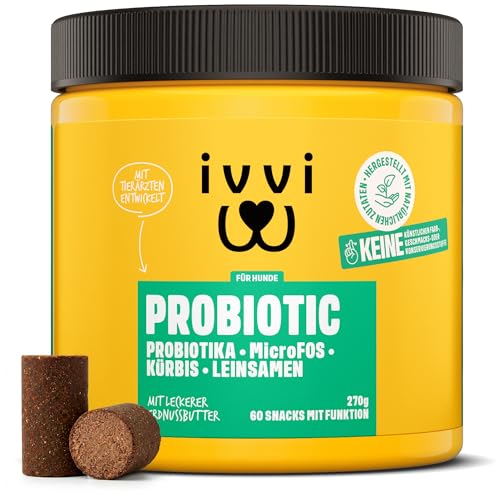
ivvi PROBIOTIC Hunde Probiotika als Leckerli – Hund Darmflora aufbauen, verbesserte Verdauung & Immunsystem – 60 leckere Snacks (270g) mit Erdnussbutter
- Healthy gut flora for dogs: Supports digestion and immune system
- Delicious peanut butter flavor: High acceptance even for picky dogs
- Superfoods for holistic support: Rich in fiber and antioxidants
As an affiliate, we earn on qualifying purchases.
As an affiliate, we earn on qualifying purchases.
Part Two on Treatment Responses
Mabry says the second part will discuss CIE phenotypes classified according to a dog’s response to treatment. The supplied material gives no release date or further detail about that installment. For a dog with ongoing or recurring digestive signs, the report’s immediate advice is to provide a veterinarian with a thorough symptom timeline and a complete record of food, treats, supplements and medicines, so the clinician can decide what evaluation is suitable.

Homemade Dog Food Cookbook for Sensitive Stomachs: 100+ Easy, Limited-Ingredient Recipes for Healthier, Happier Dogs
As an affiliate, we earn on qualifying purchases.
As an affiliate, we earn on qualifying purchases.
Key Questions
When does the report describe digestive signs as chronic?
Mabry says persistent or intermittent gastrointestinal signs lasting more than three weeks are generally classified as chronic enteropathy of unknown etiology or chronic inflammatory enteropathy. A veterinarian must assess the individual dog to determine what is causing the signs.
What symptoms does the article list?
Examples include vomiting, regurgitation, diarrhea, appetite changes, flatulence, abdominal bloating, lethargy and unintended weight loss. Muscle loss and a poor coat can also be clues, but no single sign confirms CIE.
Why does a veterinarian need a detailed diet and medication history?
Changes in food, treats, table scraps, oral preventives, medicines and supplements can inform the assessment. Mabry also notes that some medicines and iron-rich foods can darken stool, which may be mistaken for bleeding. Owners should report these exposures to their veterinarian.
Does a breed association mean a dog has a specific intestinal disease?
No. The article lists breed associations as information for clinical consideration, not as a diagnosis. A veterinarian needs to assess the dog’s history, examination and other findings.
What will the next part cover?
The article says part two will discuss CIE phenotypes classified by a dog’s response to treatment. The supplied report does not state when it will be published or provide further details.
Source: rss