TL;DR
Veterinary and pet care experts share practical advice for pet owners to cut costs. Key tips include preventive care, DIY solutions, and smart shopping. These strategies help owners manage expenses while maintaining pet well-being.
Pet care experts advise pet owners on practical ways to reduce expenses without sacrificing their pets’ health and happiness. These strategies are designed to help manage rising costs while maintaining quality care, making pet ownership more affordable and sustainable.
According to veterinarians and pet industry analysts, the most effective way to save money on pet care is through preventive health measures. Regular veterinary check-ups, vaccinations, and parasite control can prevent costly health issues later. Experts recommend scheduling annual exams and staying up-to-date with vaccinations to catch potential problems early, reducing long-term expenses. Learn more about cost-saving veterinary tips.
In addition, many professionals suggest owners adopt a proactive approach to diet and exercise. Feeding pets high-quality, portion-controlled meals can prevent obesity-related health issues, which are expensive to treat. Some experts also emphasize the importance of basic grooming and dental care, which can be done at home with proper training and supplies, saving on professional grooming costs.
Smart shopping and resourcefulness are also highlighted as key strategies. Purchasing pet supplies in bulk, using coupons, and comparing prices across retailers can significantly cut costs. Many pet owners are encouraged to buy generic or store-brand products that meet safety standards but cost less than branded items. Additionally, some experts recommend seeking out local shelters or rescue organizations for affordable or even free supplies and services. For more resources, see pet care coordination apps.
Beyond direct expenses, pet owners can also save by leveraging community resources. Local pet training classes, pet-sitting exchanges, and online support groups can reduce costs associated with pet care while fostering social connections. Experts stress that investing in training and socialization early can prevent behavioral problems that often lead to costly corrective measures later.
Why Managing Pet Care Costs Matters for Owners
Managing pet care expenses effectively is crucial for many owners, especially as the cost of veterinary services, food, and supplies continues to rise. Financial planning for pet care helps prevent owners from facing difficult choices, such as sacrificing essential health treatments or abandoning pets due to affordability issues. Implementing cost-saving strategies not only benefits individual owners but also supports the overall sustainability of pet ownership, encouraging responsible care and reducing the burden on shelters and rescue organizations.
preventive pet health care supplies
As an affiliate, we earn on qualifying purchases.
As an affiliate, we earn on qualifying purchases.
Rising Costs and the Need for Smarter Pet Care Spending
Over recent years, the cost of pet ownership has increased significantly, driven by inflation, rising veterinary fees, and the expense of premium pet foods and supplies. According to the American Pet Products Association, the average annual expenditure per pet has grown steadily, prompting owners to seek more affordable care options. While some costs are unavoidable, experts emphasize that many expenses can be minimized through preventive care, DIY approaches, and smarter shopping habits. This advice aligns with broader trends towards cost-conscious and sustainable pet ownership.
“DIY grooming and training not only save money but also strengthen the bond between owner and pet. It’s a win-win for both sides.”
— Laura Chen, pet owner and advocate
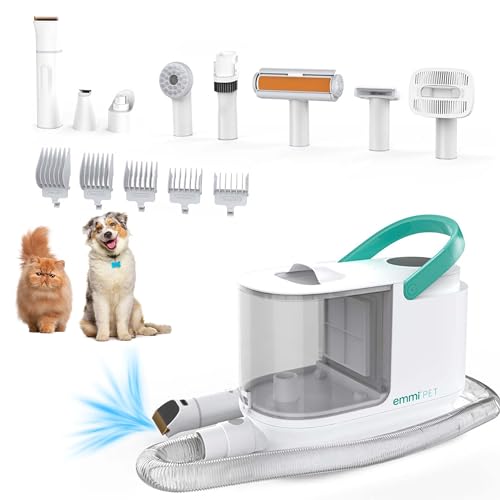
Emmi-pet Grooming Kit Pro – 8in1 Hundeschermaschine mit Staubsauger – Schermaschine, Kamm & 8 Profi-Bürsten – 3 Saugstufen für Hunde & Katzen – Krallenpflege & 3L Staubbehälter – Leise & effizient
- All-in-one grooming kit: Grooming machine, comb, and vacuum
- Three suction levels: Adjustable for different pet fur types
- 8 professional accessories included: 5 brushes, trimmer, and nail clippers
As an affiliate, we earn on qualifying purchases.
As an affiliate, we earn on qualifying purchases.
Unclear Aspects of Cost-Saving Strategies for Pet Owners
While experts agree on many cost-saving approaches, it remains unclear how these strategies vary based on pet type, age, or health status. The effectiveness of DIY treatments versus professional care in certain situations is still debated, and some owners may lack the skills or resources to implement these methods safely. Additionally, the long-term impact of reduced veterinary visits on overall pet health has not been fully studied, leaving some questions about the balance between cost savings and optimal care.
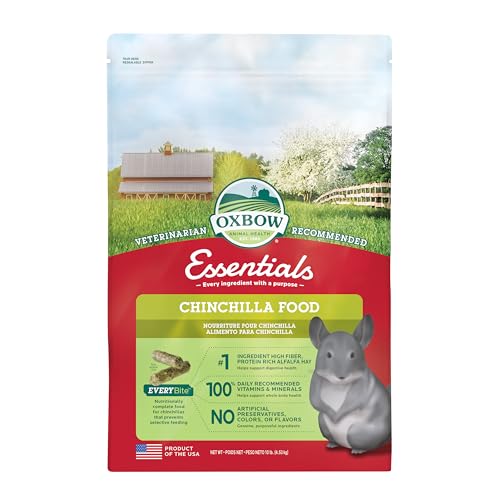
Oxbow Essentials Chinchilla Food – 4,5 kg
- Essential Nutrients for Active Lifestyle: High fiber and protein-rich formula
- Supports Immune Health: Contains antioxidants and prebiotics
- Ideal for Picky Eaters: Uniform pellets prevent selective feeding
As an affiliate, we earn on qualifying purchases.
As an affiliate, we earn on qualifying purchases.
Next Steps for Pet Owners Looking to Cut Costs
Pet owners are encouraged to consult with their veterinarians to develop tailored preventive care plans that fit their budgets. Industry groups are expected to release further guidelines on cost-effective pet care practices, including educational resources for DIY grooming and nutrition. Additionally, community programs and online platforms are likely to expand, offering more affordable services and support networks. Monitoring these developments will help owners stay informed and make better financial decisions for their pets.

Exam Classes (Resource Books for Teachers)
As an affiliate, we earn on qualifying purchases.
As an affiliate, we earn on qualifying purchases.
Key Questions
What are the most effective ways to reduce veterinary costs?
Regular preventive care, vaccinations, parasite control, and early health screenings are proven to reduce long-term veterinary expenses. Consulting your vet about a cost-effective wellness plan is recommended.
Can I safely do grooming and basic health care at home?
Yes, with proper training and supplies, many owners successfully perform grooming and basic health checks at home. However, certain procedures should be left to professionals to avoid injury or misdiagnosis.
Are generic pet products as safe and effective as branded ones?
Many store-brand or generic pet supplies meet safety standards and can be a cost-effective alternative to branded products. Always check for quality certifications and consult your vet if unsure.
How can I find affordable pet supplies and services?
Buying in bulk, using coupons, shopping at discount stores, and seeking out local shelters or rescue organizations for donations or discounted supplies are effective ways to save money.
What should I do if I cannot afford necessary veterinary care?
Look into community assistance programs, pet health charities, or payment plans offered by some veterinary clinics. Prioritize essential treatments and discuss options with your vet.
Source: rss