
TL;DR
An ASPCA-led study published in the Journal of the American Veterinary Medical Association examined 45 dogs with suspected acrylamide toxicosis after exposure to polyacrylamide hydrogel products. Researchers measured high acrylamide concentrations in some cooling gel products; the study reports severe signs, including seizures and death, and says there is no antidote.
A study led by the ASPCA examined 45 dogs with suspected acrylamide toxicosis after ingestion of polyacrylamide-based hydrogel products, including cooling beds and wraps. The report, published in the Journal of the American Veterinary Medical Association, describes neurologic and other serious signs and reports high acrylamide concentrations in some cooling gel products.
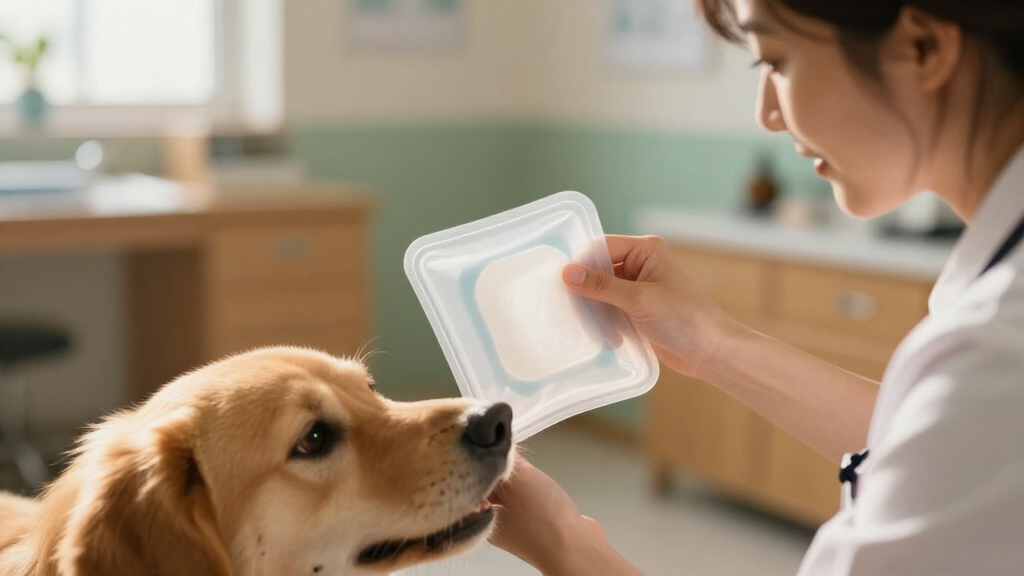
The products discussed include cooling pet beds, migraine caps, eye masks and wraps containing polyacrylamide hydrogel. While polyacrylamide polymers are generally considered low risk, the report says these products may contain residual acrylamide, a neurotoxin. The study’s cases involved suspected toxicosis; the source material does not say that every dog’s exposure or diagnosis was confirmed by testing.
Reported signs included vomiting, muscle tremors and ataxia, as well as sensitivity to sound or touch, rapid heart rate, seizures and death. Researchers detected acrylamide concentrations of 12,900 to 51,800 parts per million in some cooling gel products. The report describes those measurements as 21 to 86 times the upper end of expected levels and higher than specifications for certain medical-grade products.
The work involved the ASPCA, The Product Injury Coalition, Cambridge Polymer Group and a veterinarian from VEG ER for Pets. The report says there is no antidote for acrylamide toxicosis. Veterinary care focuses on controlling signs and providing supportive treatment, while the ASPCA continues investigating cases and possible treatment options.
Risks for Dogs Around Gel Products
The findings put a range of everyday products on veterinary teams’ radar, not just items marketed for pets. If a dog chews through a hydrogel product, its contents may be accessible, and the study’s reported signs include urgent neurologic problems. The measured concentrations in some products also suggest that residual acrylamide levels can vary and may exceed expected amounts.
The report does not establish how often these exposures occur or quantify the risk for every product. Still, it gives veterinarians a reason to ask about access to hydrogel items when a dog has compatible signs. For owners, keeping such products out of reach and supervising dogs that chew bedding or cooling pads are practical precautions identified by the report. Suspected ingestion or neurologic signs warrant prompt contact with a veterinarian.
As an affiliate, we earn on qualifying purchases.
From Polymer Gels to Exposure Cases
Polyacrylamide-based gels are used in products designed to retain moisture or provide cooling. The report distinguishes the polymer, which is generally considered low risk, from residual acrylamide that may remain in some products. That distinction matters: the concern described is toxicosis after ingestion of a product containing the chemical, rather than ordinary contact with every hydrogel item.
The study reviewed outcomes in 45 dogs with suspected cases and also included product testing. Its findings bring together clinical reports and measurements from selected cooling gels. The source material does not identify all brands or products tested, or provide enough detail to compare risk across the full range of hydrogel goods.
As an affiliate, we earn on qualifying purchases.
Exposure Rates and Product Differences
The source material does not state how many of the 45 dogs had laboratory-confirmed exposure, how much material each dog ingested, or whether the cases represent the broader population of dogs. It also does not provide brand names, a full list of tested products, or the number of samples behind the concentration range.
The reported measurements apply to some cooling gel products; they should not be read as the level in every hydrogel product. The source also gives no publication date, detailed study methods, or outcome breakdown for the dogs. Those limits leave the frequency of poisoning and the relative risk across product types unclear.
As an affiliate, we earn on qualifying purchases.
Further Case Review and Owner Guidance
The ASPCA is continuing to investigate cases and potential treatment options, according to the report. Veterinary professionals are advised to consider hydrogel ingestion when assessing compatible neurologic signs and to counsel clients about keeping these products away from pets. The source does not give a timeline for additional research or a specific next publication.
If ingestion is suspected, the report advises owners to contact a veterinarian or ASPCA Poison Control at (888) 426-4435. Dogs showing neurologic signs should receive immediate veterinary attention. Owners should not wait for symptoms to worsen before seeking professional advice.
As an affiliate, we earn on qualifying purchases.
Key Questions
Which products are associated with the suspected cases?
The report discusses polyacrylamide-based hydrogel items such as cooling pet beds, migraine caps, eye masks and wraps. It does not identify every brand or product tested.
What signs did the dogs show?
Reported signs included vomiting, muscle tremors, ataxia, sensitivity to sound or touch, rapid heart rate and seizures. The study summary also reports deaths among the cases.
Is there an antidote for acrylamide toxicosis?
The report says there is no antidote. Veterinary treatment is focused on controlling signs and providing supportive care.
What should I do if my dog chews or swallows a hydrogel product?
Contact a veterinarian or ASPCA Poison Control at (888) 426-4435 if ingestion is suspected. Seek immediate veterinary attention if the dog shows neurologic signs; do not attempt treatment based on the study alone.
Source: rss