TL;DR
Interest in pet safety around household chemicals is rising, driven by concerns over corrosive products. Experts warn pet parents to keep these substances out of reach. Details remain uncertain about specific product risks and recent incidents.
Pet owners are increasingly concerned about the dangers of corrosive household products, as search interest and media coverage spike. Experts warn that many common chemicals, such as cleaning agents and drain openers, pose serious health risks to pets if ingested or contacted. This rising awareness underscores the importance of proper storage and safety precautions to prevent accidental poisoning.
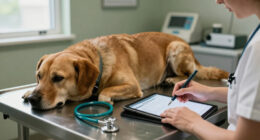
Confirmed information indicates that household chemicals labeled as corrosive — including drain cleaners, oven cleaners, and certain disinfectants — can cause severe internal and external injuries to pets if ingested or spilled on their fur or skin. Veterinary sources emphasize that immediate medical attention is critical in such cases, as corrosive substances can damage the mouth, esophagus, stomach, and other organs.
Recent trends show a spike in online searches related to pet poisoning and household chemical safety, though there are no confirmed reports linking specific incidents to recent outbreaks or product recalls. Experts attribute this rise to increased media coverage and public awareness campaigns, but details about recent pet poisonings involving these products are still emerging.
Why Pet Owners Must Prioritize Household Chemical Safety
This trend highlights the ongoing risk household chemicals pose to pets, especially as many owners may underestimate the danger. Proper storage and handling are essential to prevent accidental ingestion, which can lead to costly veterinary treatments or even fatalities. Raising awareness now can reduce preventable incidents and improve pet safety nationwide.Products Worth Considering

Gorilla Grip SilikonHaustierFuttermatte, wasserdicht, erhöhte Kanten, um Verschütten zu verhindern, einfache Reinigung in der Spülmaschine, für Hunde und Katzen, Platzierungstablett für Futter und
Wasserdichtes Design: Die Silikonmatte ist zu 100 % wasserdicht, um den Boden vor schmutzigen Lebensmitteln und Wasser zu…

MateeyLife Napfunterlage Katzen, Napfunterlage Hund Groß Hundenapf | Kleine Hunde, Silikon Unterlage Hundenapf Grosse Hunde, rutschfeste Unterlage Katzennapf, Katzen Futternapf Matte, 45 x 30 cm
Sicher & Weniger Unordnung: Unsere napfunterlage katzen & napfunterlage hund sind aus hochwertigem silikon in lebensmittelqualität und sicher…

Hubulk Futtermatte für Hunde und Katzen, Größe L (48.3 x 30.5 cm), XL (61 x 40.6 cm) oder XXL (81 x 61 cm), 1.3 cm und 2.5 cm, erhöhter Rand, Silikon, rutschfest, groß (48.3 x 30.5 x 1.3 cm), grau
Größe L ist "48,3 x 30,5 cm
As an affiliate, we earn on qualifying purchases.
Growing Concern Over Household Chemical Risks for Pets
Over recent years, reports of pet poisonings from household chemicals have increased, prompting veterinary groups and animal welfare organizations to issue safety advisories. The current spike in search interest appears linked to heightened media attention and social media discussions, although no specific incidents or product recalls have been confirmed. Historically, many household chemicals are labeled as hazardous, but pet owners often remain unaware of the full scope of risks.
While regulatory agencies continue to enforce safety standards, accidental exposures remain a common cause of pet injuries. The trend suggests a need for increased public education on safe storage practices and the dangers of specific substances. Experts note that the majority of poisonings involve accessible products stored within reach of curious pets, especially dogs and cats.
Unconfirmed Reports and Ongoing Investigations into Pet Poisonings
It is not yet clear whether recent increases in online searches are linked to specific incidents or product recalls. No verified reports of recent pet poisonings involving corrosive household products have been publicly confirmed, and details are still emerging from veterinary and regulatory sources.Expected Public Awareness Campaigns and Safety Guidelines
Authorities and animal welfare groups are expected to launch targeted educational campaigns emphasizing safe storage and handling of household chemicals. Veterinary clinics may also see increased outreach efforts to inform pet owners about recognizing poisoning symptoms and seeking immediate care. Further investigations are likely to clarify whether recent search trends correlate with actual incidents or are primarily driven by increased media coverage.
Key Questions
What household products are most dangerous to pets?
Products labeled as corrosive, such as drain cleaners, oven cleaners, and certain disinfectants, pose the highest risks if ingested or contacted by pets. Always read labels carefully and store these products out of reach.
What should I do if I suspect my pet ingests a corrosive chemical?
Immediately contact your veterinarian or an emergency pet poison control center. Do not induce vomiting unless instructed by a professional, as this can worsen internal injuries.
How can I prevent my pet from accessing household chemicals?
Store all hazardous chemicals in secure cabinets or containers, away from pets and children. Keep labels visible and never leave chemicals unattended when in use.
Are there any signs that my pet has been poisoned by household chemicals?
Signs include vomiting, drooling, difficulty breathing, lethargy, or unusual behavior. If you notice these symptoms, seek veterinary care immediately.
Is there ongoing research into pet poisoning from household chemicals?
Yes, veterinary toxicologists and safety organizations are studying incidents to better understand risks and improve prevention strategies. However, specific recent investigations are still ongoing, and no official conclusions have been announced.
Source: rss