TL;DR
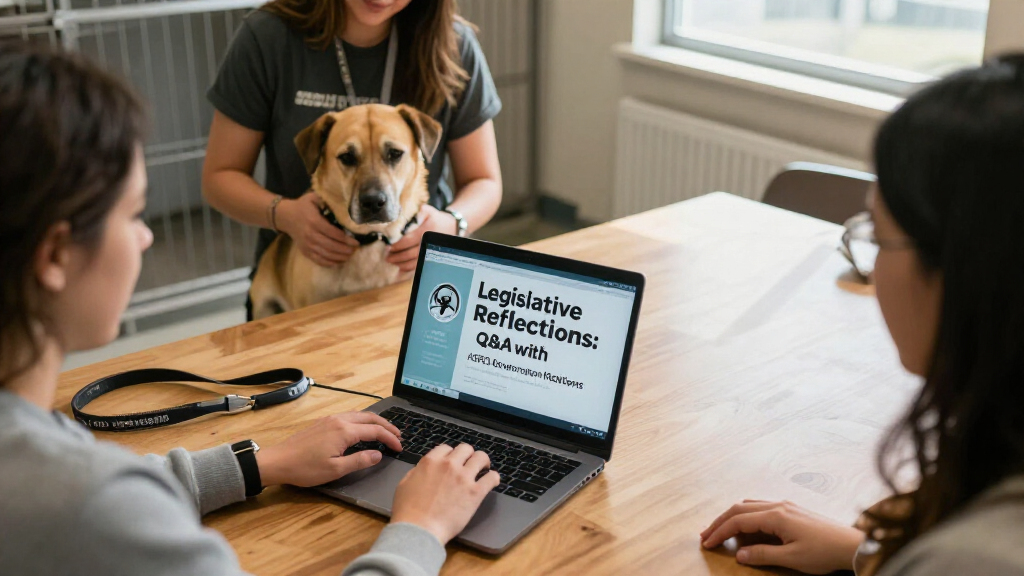
In an ASPCA interview looking back on 2026, senior vice president Nancy P. outlined the organization’s legislative priorities, including pet-friendly housing, veterinary access and protecting state farm-animal laws. She also highlighted New York City’s October City Council vote to ban commercial horse-drawn carriages, with support for drivers and retirement support for horses. The ASPCA says it plans to focus on veterinary access, housing and disaster response in 2027.
The ASPCA’s Government Relations team is emphasizing pet-friendly housing, veterinary access and protections for farm animals in its review of 2026, while preparing to expand its veterinary-care work in 2027. In an interview published by the organization, senior vice president Nancy P. also pointed to the New York City Council’s October vote to ban commercial horse-drawn carriages, a local measure the ASPCA says includes support for drivers and retirement for horses.
Nancy P., who has spent 15 years with the ASPCA and oversees its legislative and regulatory policy work at local, state and federal levels, described three main priorities for 2026. They were changing housing and sheltering policies to help keep pets with families, expanding options for veterinary care, and blocking efforts to roll back state animal-welfare laws affecting farm animals.
On housing, the ASPCA said its policy work includes reducing barriers to pet-friendly rentals, addressing what it calls discriminatory insurance practices, and expanding crisis sheltering during disasters or extreme weather. Its veterinary agenda includes enabling remote appointments, allowing veterinary technicians to provide more treatment and adjusting licensing rules to expand services. The interview does not specify which proposals became law or provide a state-by-state account of progress.
Nancy said the organization had successfully blocked congressional attacks on state animal-welfare laws during 2026 to date. She also described the October New York City Council vote as the final vote on eliminating commercial horse-drawn carriages. According to her account, the measure provides transitional support for drivers and retirement support for horses. The interview identifies a young tourist’s death that summer as a turning point in opposition to the ban, but gives no further details about the incident.
Housing and Care Shape the Agenda
The priorities connect animal protection to decisions affecting households and public services, not only to rules against cruelty. Rental restrictions and insurance practices can affect whether people are able to keep pets, while access to veterinary services can determine whether animals receive timely care. The ASPCA’s focus on crisis sheltering also links animal welfare to disaster planning as communities face fires, hurricanes and heat waves.
The organization’s account of blocking congressional challenges to state laws points to a continuing federal-state policy tension. The interview does not name the bills or laws involved, so readers cannot assess the scope of those efforts from this account alone. The proposed 2027 work signals that the ASPCA expects housing needs and veterinary access to remain active legislative issues.
The New York City carriage decision is a separate municipal development with implications for horses and the people whose livelihoods depend on the industry. The ASPCA presents its accompanying driver and horse support as part of the policy response, though it does not detail how that support will be delivered or funded.

Catify to Satisfy: Simple Solutions for Creating a Cat-Friendly Home
As an affiliate, we earn on qualifying purchases.
As an affiliate, we earn on qualifying purchases.
From Long Advocacy to City Vote
The ASPCA says its policy process begins with research into problems animals face, followed by collaboration with veterinarians and sheltering experts to develop legal proposals. Supporters then help advocate for those changes. Nancy described legislative victories as the result of years of preparation and coalition-building, even when political circumstances determine when a proposal advances.
She connected the New York City carriage-horse vote to a much longer campaign. The ASPCA, founded in 1866, has worked on horse welfare for more than a century, Nancy said, including providing water, veterinary care and equine transport. In her account, the organization eventually concluded that incremental changes could not adequately protect horses in the city’s crowded streets, and pushed for a ban.
The interview also mentions Goldie’s Act, which the ASPCA supports to require accountability in federal oversight of puppy mills and deter commercial breeders from violating the law. Nancy cited pet-friendly housing policies as another way to prevent families from having to separate from their animals. These examples reflect the organization’s focus on changing systems, though the interview does not give the legislative status of each proposal.
As an affiliate, we earn on qualifying purchases.
Legislative Outcomes Still Need Detail
The interview is an organizational reflection, not a full legislative record. It does not list all bills advanced or blocked in 2026, identify the specific congressional efforts targeting state farm-animal laws, or explain which housing and veterinary proposals have passed. The ASPCA’s descriptions of discriminatory insurance practices and unmet housing needs are its characterizations; the interview provides no data or named examples to quantify them.
Details of New York City’s carriage-horse measure also remain limited in the supplied account. It gives no implementation schedule, funding amounts or explanation of how the driver transition and horse retirement support will work. The interview refers to a young tourist’s death as a factor in the political debate but does not state the circumstances or establish further details about its connection to the council vote.
As an affiliate, we earn on qualifying purchases.
ASPCA Turns to 2027 Priorities
The ASPCA says its 2027 work will explore new approaches to expanding veterinary access, continue building networks of state leaders to advance housing campaigns, and press for animal-inclusive rescue and temporary shelter plans during disasters and extreme weather. The organization has not announced specific bills, jurisdictions or timelines in the interview.
Supporters can participate through ASPCA advocacy networks, including District Captains, the Regional Advocacy Field Team and the Horse Action Team. The group says it times requests to contact policymakers for moments when public advocacy may have the greatest impact. The next concrete milestones will depend on legislative proposals introduced at the local, state and federal levels.
As an affiliate, we earn on qualifying purchases.
Key Questions
What were the ASPCA’s main legislative priorities in 2026?
The organization highlighted pet-friendly housing and crisis sheltering, expanded veterinary-care options, and efforts to block rollbacks of state farm-animal protections.
What did the New York City Council vote on?
Nancy P. said the council cast its final vote in October to eliminate commercial horse-drawn carriages from the city. She said the measure includes transitional support for drivers and retirement support for horses.
What does the ASPCA plan to focus on in 2027?
The ASPCA plans to explore ways to expand veterinary access, build state-level networks for housing campaigns, and advocate for rescue and temporary shelter plans that include animals during disasters.
How can people support the ASPCA’s legislative work?
The organization points to volunteer advocacy roles through District Captains, the Regional Advocacy Field Team and the Horse Action Team. Participants can engage with policymakers and community members on animal-welfare issues.
Source: rss