
TL;DR
The ASPCA says it is helping the Greenville County Sheriff’s Office investigate a suspected dogfighting case after 10 dogs were removed from a property in Pelzer, South Carolina. Authorities found dogfighting paraphernalia, and some dogs were observed with wounds and dehydration; the animals are to receive medical and behavioral evaluations. The source does not identify suspects, charges or a court timeline.
The ASPCA is assisting the Greenville County Sheriff’s Office with a suspected dogfighting case after 10 dogs, including one puppy, were removed from a property in Pelzer, South Carolina. The organization says law enforcement found dogfighting paraphernalia at the scene and that some dogs had wounds and signs of dehydration; the investigation and animal evaluations are ongoing.
According to the ASPCA, the sheriff’s office requested its assistance. Items discovered by law enforcement included weighted collars, heavy chains and a treadmill. The ASPCA described these as dogfighting paraphernalia, but its report does not say whether the items have been tied to a particular suspect or what evidence investigators have gathered beyond the items and the condition of some dogs.
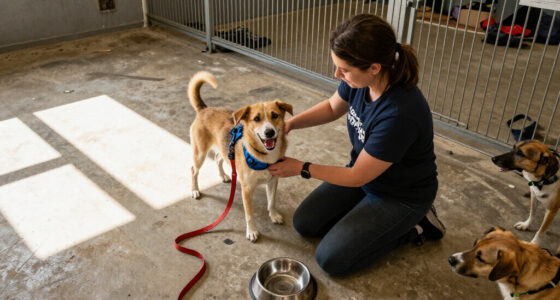
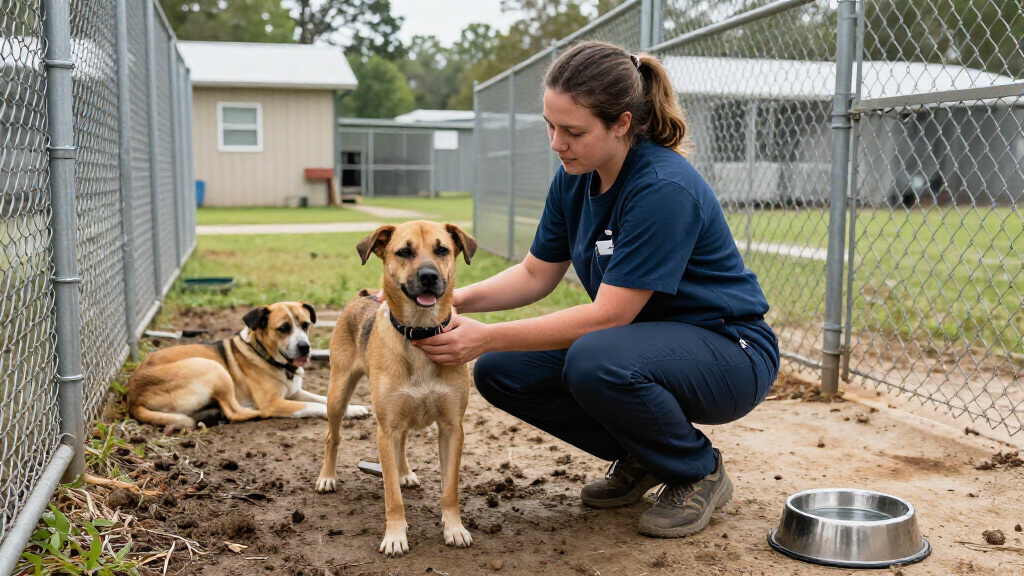
The ASPCA supported the dogs’ transport to an ASPCA recovery facility. The organization says they will receive medical and behavioral evaluations, care and enrichment. It is also helping with evidence collection, legal and investigative assistance, and forensic examinations. The report does not provide individual medical findings or say whether all 10 dogs showed injuries or dehydration.
The case involves cooperation among animal welfare and law enforcement agencies. The ASPCA named the Greenville County Sheriff’s Office and SLED among the agencies involved. It did not identify any people under investigation, announce arrests or charges, or provide a date for a possible court proceeding.
Care for the Seized Dogs
The removal gives the dogs access to veterinary assessment and behavioral care while investigators examine the suspected dogfighting activity. Evaluations can document each animal’s condition and needs; the ASPCA says it is also supporting forensic examinations and evidence collection. The source does not describe the specific methods or findings from those examinations.
The case also shows the practical demands of suspected animal-cruelty investigations: agencies must address the animals’ immediate welfare while preserving evidence and supporting legal work. For the 10 dogs, the next steps include assessment and care at the recovery facility. For the investigation, the sheriff’s office and other agencies will need to establish what happened and whether anyone should face charges. No conclusion about guilt has been reported.
![PURAHELP® Erste Hilfe Set für Hund & Katze [51 TEILE]](https://m.media-amazon.com/images/I/41qOORWK-VL._SL500_.jpg)
PURAHELP® Erste Hilfe Set für Hund & Katze [51 TEILE]
- Comprehensive Kit: Includes 51 essential first aid items
- First Aid Guide: Detailed instructions for dogs and cats
- Waterproof Bag: Keeps contents dry and clean
As an affiliate, we earn on qualifying purchases.
As an affiliate, we earn on qualifying purchases.
How the Agencies Are Assisting
The ASPCA’s report says its role began at the request of the Greenville County Sheriff’s Office. Its assistance includes transporting the dogs to its facility as well as investigative, legal and forensic support. The report names SLED as another agency involved, but does not specify that agency’s particular tasks.
The public account is an early description of a suspected case, not a report of a court finding. It provides the location as Pelzer, South Carolina, the number of dogs removed and examples of items found. It does not give the property owner’s identity, the date of the operation or details about how the investigation began.
As an affiliate, we earn on qualifying purchases.
Investigation Details Not Yet Public
The ASPCA’s report does not state when the dogs were removed, who owned or controlled the property, whether anyone has been arrested, or whether charges have been filed. It also does not describe the evidence in detail, identify the animals’ individual conditions, or say how long their evaluations and treatment may take.
The case is described as suspected dogfighting; the report does not establish that dogfighting occurred or that any person is responsible. No findings from forensic examinations, official court documents or statements from the sheriff’s office or SLED are included in the supplied source material.
As an affiliate, we earn on qualifying purchases.
Evaluations and Investigative Steps
The dogs are expected to undergo medical and behavioral evaluations and receive care at the ASPCA recovery facility. The organization says it will continue supporting evidence collection, legal and investigative work, and forensic examinations alongside law enforcement.
Further information may come from the Greenville County Sheriff’s Office, SLED or the ASPCA as the investigation develops. The available report gives no announced date for an update and does not indicate when decisions about charges, custody of the dogs or their eventual placement may be made.
As an affiliate, we earn on qualifying purchases.
Key Questions
How many dogs were removed from the Pelzer property?
The ASPCA says 10 dogs, including one puppy, were removed.
What did law enforcement find at the property?
The ASPCA report lists weighted collars, heavy chains and a treadmill as dogfighting paraphernalia found by law enforcement. It also says some dogs had wounds and signs of dehydration.
Where are the dogs now?
The ASPCA says it supported their transport to an ASPCA recovery facility, where they are to receive medical and behavioral evaluations, care and enrichment.
Have anyone been charged in the case?
The supplied ASPCA report does not name suspects or say whether anyone has been arrested or charged. The case is described as a suspected dogfighting investigation.
Which agencies are involved?
The ASPCA says it was asked to assist by the Greenville County Sheriff’s Office and names SLED among the agencies involved. The report does not detail SLED’s specific role.
Source: rss