
TL;DR
A Veterinary Practice News report by veterinarian Chelsea McGivney describes how practices can create a more consistent care pathway for senior pets. The approach focuses on identifying patients who have stopped attending, adapting appointments to older animals and helping caregivers address access barriers; it is guidance, not an announcement of a new formal program.
Veterinary practices can help senior pets stay in regular care by identifying patients who have stopped attending, tailoring appointments to older animals and asking caregivers what makes visits difficult, according to a report by veterinarian Chelsea McGivney in Veterinary Practice News. The report presents a care pathway for addressing barriers before a pet’s next appointment is prompted by an urgent problem.
McGivney describes how older animals may disappear from routine veterinary care as concerns build for both pets and their caregivers. Owners may assume that changes in mobility, appetite, sleep or behavior are unavoidable with age. Others worry about the cost of diagnostic recommendations, fear difficult end-of-life conversations, or struggle to transport an animal that can no longer easily get into a car. Caregivers’ own health, finances and schedules can add further obstacles.
The report recommends that clinics start by reviewing medical records for senior dogs and cats who have not had an examination within a period set by the practice. That search is a way to identify patients for outreach, not a universal definition of when an animal becomes senior. Teams can review records for chronic conditions, missed follow-ups, discontinued medication, mobility concerns and earlier handling difficulties, then contact families with a supportive invitation rather than an alarmist overdue notice.
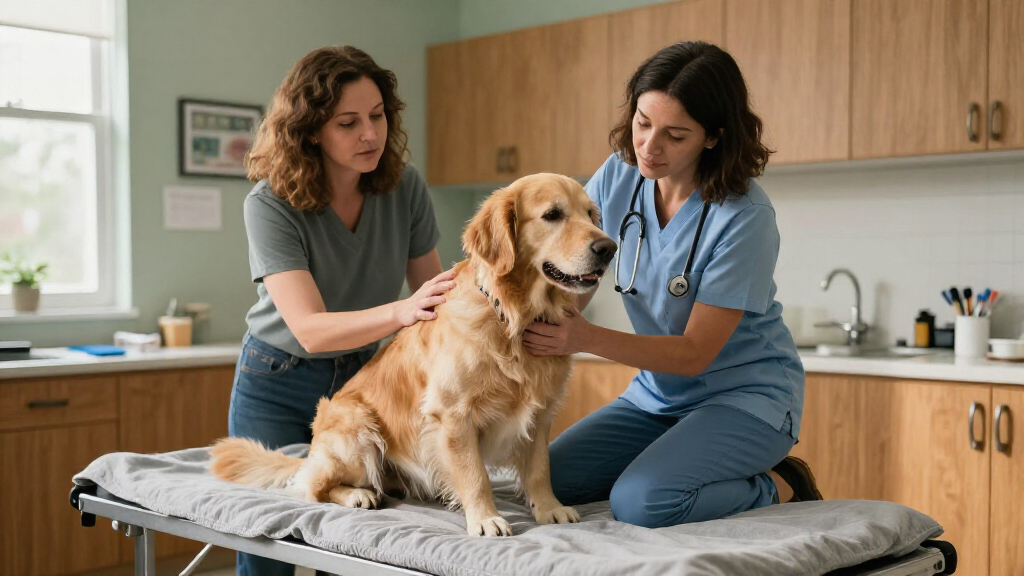
Visits can be planned around the animal’s and caregiver’s needs. Options described include longer or quieter appointments, help getting an animal from the car, telehealth where legally and clinically appropriate, and referral to a mobile provider. Practices can also ask about cost and discuss prioritizing or staging care, or note fear-related concerns and plan for low-stress handling. A pre-visit questionnaire and videos of the pet moving at home may help teams understand changes that are hard to observe in the clinic.
Keeping Older Pets Connected to Care
The proposed pathway matters because a missed preventive visit can leave changes in an older animal’s health unaddressed until the situation becomes urgent. McGivney says some caregivers delay visits because they expect age-related changes to be inevitable or anticipate unaffordable recommendations. Treating those concerns as a reason to offer individualized support, rather than simply sending another reminder, may give families a more manageable way back into care.
The approach also makes access a practical part of clinical planning. Transportation, geography, communication, staffing and equipment can all affect whether a pet receives care, according to a 2024 scoping review cited in the report. Asking caregivers what would make a visit easier can help a practice identify which options fit each case; the report does not claim that one solution will work for every family.
Products Worth Considering

MateeyLife Napfunterlage Katzen, Napfunterlage Hund Groß Hundenapf | Kleine Hunde, Silikon Unterlage Hundenapf Grosse Hunde, rutschfeste Unterlage Katzennapf, Katzen Futternapf Matte, 45 x 30 cm
Sicher & Weniger Unordnung: Unsere napfunterlage katzen & napfunterlage hund sind aus hochwertigem silikon in lebensmittelqualität und sicher…

Gorilla Grip SilikonHaustierFuttermatte, wasserdicht, erhöhte Kanten, um Verschütten zu verhindern, einfache Reinigung in der Spülmaschine, für Hunde und Katzen, Platzierungstablett für Futter und
Wasserdichtes Design: Die Silikonmatte ist zu 100 % wasserdicht, um den Boden vor schmutzigen Lebensmitteln und Wasser zu…

Hoki Found wasserdichte Futtermatte für Hunde und Katzen, aus Silikon, rutschfest
Material: Hergestellt aus ungiftigem Silikon. Das hochwertige Silikonfutter ist beständig gegen hohe und niedrige Temperaturen.
As an affiliate, we earn on qualifying purchases.
A Life Stage, Not a Diagnosis
The report frames aging as a distinct life stage that calls for an individualized plan, not as a disease or an automatic sign of terminal illness. It cites the 2023 American Animal Hospital Association Senior Care Guidelines, which say no single age defines every senior patient. Species, breed, size, expected lifespan, health and functional changes all shape an animal’s needs.
In the guidelines’ broad account of senior care, planning can include preventive screening, pain management, nutrition, dental health, behavior, environmental changes and management of other diseases. McGivney also emphasizes support for caregivers. This shifts the clinic’s role from responding to isolated problems toward helping families understand changes, discuss priorities and plan for what may come next.
“No single age defines every senior patient.”
— The 2023 American Animal Hospital Association Senior Care Guidelines, as described in McGivney’s report
Questions Each Practice Must Resolve
The report offers a set of suggested practices, not evidence that a particular program has improved health outcomes, reduced emergency visits or lowered costs. It does not provide comparative results or establish how many clinics have adopted the approach. The source material also ends during its discussion of the senior-friendly clinic environment, so it does not provide a complete account of every recommendation in the original article.
Implementation will depend on each practice’s staffing, equipment, location and applicable rules. The report says telehealth may be an option where legally and clinically appropriate, but does not specify which services can be delivered remotely. It also does not set one age threshold or recall period for identifying senior patients; clinics would need to choose criteria suited to their patients and records.
How Clinics Can Put Plans Into Practice
For practices considering this approach, the immediate steps outlined in the report are to define a workable patient search, review records for missed care and contact families in a supportive way. Teams can ask about barriers before booking, explain what a senior visit can cover and prepare an appointment suited to the animal’s comfort and the caregiver’s priorities. Follow-up plans can then be recorded so that changes and agreed next steps are not lost between visits.
The next stage is likely to vary by clinic: practices may need to decide which appointment adjustments they can offer, how to handle referrals and how to review whether outreach is reaching patients who have fallen out of care. The report gives no rollout schedule or outcome measures. It presents the pathway as a practical framework rather than a formal standard or newly launched service.
Key Questions
What is the report recommending for senior pets?
It recommends a planned approach that includes finding older patients who have stopped attending, asking caregivers about barriers and tailoring visits and follow-up to each animal’s needs.
Does the report set a specific age when a pet becomes senior?
No. The report cites AAHA guidance saying that no single age applies to every patient; species, breed, size, lifespan, health and function matter.
What can a caregiver do if getting a pet to the clinic is difficult?
The report suggests discussing possibilities with the veterinary team, such as a quieter appointment, help from the car, telehealth when appropriate, or a referral to a mobile provider.
Does the article show that senior-care programs improve outcomes?
No outcome data are provided. The article describes a proposed care pathway and practical recommendations, not a study demonstrating that a particular program improves health or reduces costs.
Source: veterinarypracticenews.com