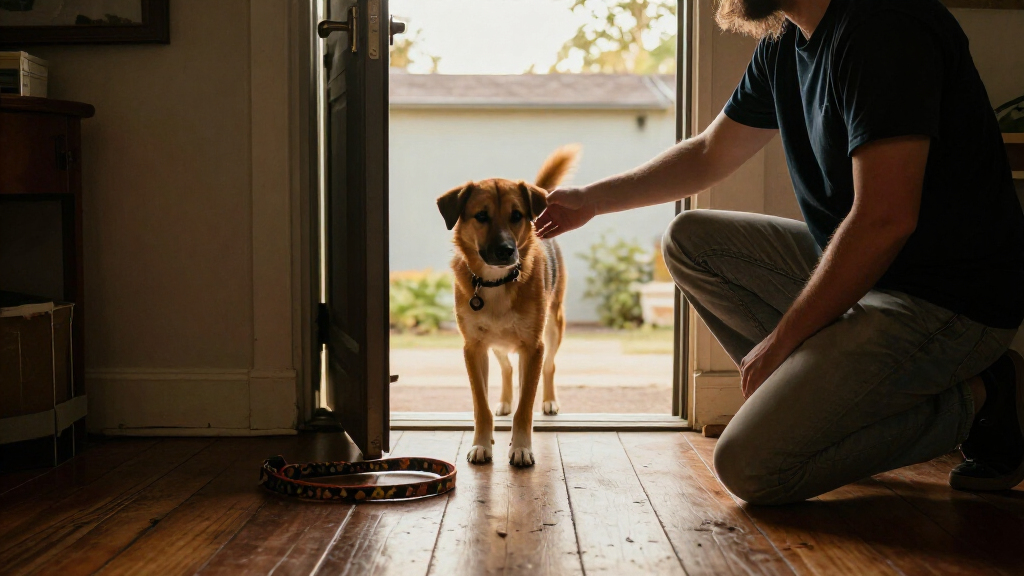

TL;DR
Jay, one of nearly 20 dogs removed from hazardous conditions in Central North Carolina in August 2025, completed nearly 17 weeks of behavioral rehabilitation. The ASPCA says he learned to tolerate handling, leashes and new environments before moving to Greenville Humane Society for adoption; the supplied report begins describing his new family but does not provide the adoption outcome.
Jay, a dog rescued from hazardous conditions in Central North Carolina, completed nearly 17 weeks of behavioral rehabilitation and was transferred to Greenville Humane Society, an ASPCA partner shelter, for placement in a home. The ASPCA described his progress from fear and avoidance around people, handling and leashes to greater confidence, but the source material provided does not include the full account of his adoption.
The ASPCA said it was asked to help in late August 2025 with nearly 20 dogs living in an extremely unsanitary and hazardous home. The organization removed the dogs and took them to a recovery facility, where they received veterinary and behavioral examinations, medical treatment and continuing care. Jay’s behavior assessment showed that he was especially fearful of people, handling and being leashed.
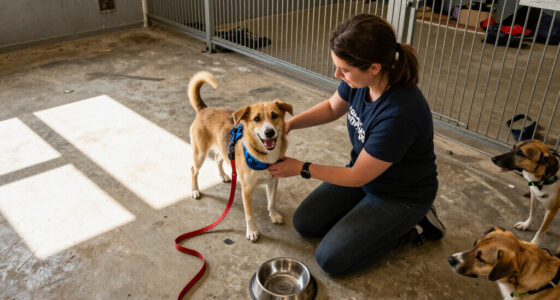
Staff decided Jay needed more specialized support and transferred him to the ASPCA Behavioral Rehabilitation Center in Weaverville, North Carolina. Meredith W., a behavior rehabilitation manager who worked with him, said Jay initially avoided people and looked for exits when uncomfortable. The team used games, food, gentle handling and gradual leash practice to build positive associations and encourage him to approach people voluntarily.
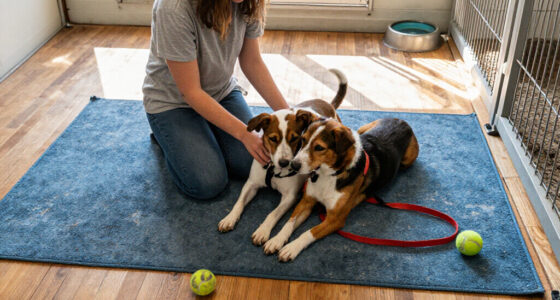
As his comfort increased, staff introduced new areas, unfamiliar people, sights and sounds, car travel and play with other dogs. The ASPCA said Jay became more willing to engage with handlers, accept handling and wear a harness for walks. After nearly 17 weeks in treatment, he graduated and was transferred to Greenville Humane Society to seek a home. The source then begins describing Scott’s family but cuts off before confirming what happened next.
Rehabilitation Prepared Jay for Home Life
Jay’s case shows how a rescue may involve more than removal from unsafe conditions. According to the ASPCA, his fear of handling, leashes and unfamiliar situations made specialized behavior support part of preparing him for adoption. The program addressed practical activities—including walking, veterinary-style handling and riding in a car—that can shape whether a dog can manage everyday life with a family.
The account also illustrates why placement can take time after rescue. Jay spent nearly 17 weeks in treatment before the ASPCA considered him ready to move to a partner shelter. The organization described progress in his confidence and engagement, while noting that dogs continue learning after graduation. That distinction matters: a rehabilitation program can build skills, but it does not establish that every future environment or interaction will be easy.
Products Worth Considering

MateeyLife Napfunterlage Katzen, Napfunterlage Hund Groß Hundenapf | Kleine Hunde, Silikon Unterlage Hundenapf Grosse Hunde, rutschfeste Unterlage Katzennapf, Katzen Futternapf Matte, 45 x 30 cm
Sicher & Weniger Unordnung: Unsere napfunterlage katzen & napfunterlage hund sind aus hochwertigem silikon in lebensmittelqualität und sicher…

Gorilla Grip SilikonHaustierFuttermatte, wasserdicht, erhöhte Kanten, um Verschütten zu verhindern, einfache Reinigung in der Spülmaschine, für Hunde und Katzen, Platzierungstablett für Futter und
Wasserdichtes Design: Die Silikonmatte ist zu 100 % wasserdicht, um den Boden vor schmutzigen Lebensmitteln und Wasser zu…

SMILOOL Silikon Tierfuttermatte mit erhöhtem Rand für Futter und Wassernapf, Hundefuttermatten, Katzenfutterschalen für Boden wasserdicht, Gummiablage für Hunde und Katzen, 19 x 12 x 0,7 Hellolivgrün
Halten Sie Ihren Boden sauber – Um das Verschütten von Futter und Wasser auf dem Boden aufgrund der…
As an affiliate, we earn on qualifying purchases.
From Rescue to Specialized Care
The ASPCA said nearly 20 dogs were removed from one home in Central North Carolina after the organization was called in during late August 2025. The dogs were first taken to an ASPCA recovery facility for examinations, treatment and care. Jay’s behavioral assessment led to a further transfer to the organization’s rehabilitation center in Weaverville.
The center is designed for intensive work with fearful dogs, according to the ASPCA. Jay’s program moved in stages: staff first used food, games and gentle interactions, then expanded to leash work, handling, new locations, unfamiliar people and car trips. Once he graduated, the ASPCA sent him to Greenville Humane Society, its partner shelter, as the next step toward a home. The source does not state the exact date of his transfer or provide a complete adoption timeline.
Adoption Account Is Incomplete
The supplied ASPCA report is cut off as it begins describing Scott’s family and a Lab mix. It does not include the rest of that account, so the available material does not confirm whether Scott’s family adopted Jay, when an adoption occurred, or how Jay adjusted in a home. Those details should not be inferred from the headline alone.
The source also does not provide the identities of the other dogs, further information about the home where they were found, or details about any investigation or legal action. The ASPCA account describes Jay’s care and progress, but does not report independent assessments of the program’s outcomes.
Home Placement Details Await Confirmation
The next confirmed step in the supplied account is Jay’s transfer to Greenville Humane Society for placement. The source appears intended to continue with a description of a family and its previous dog, but the missing passage means the final outcome cannot be reported as confirmed here.
Further reporting would need the complete ASPCA account or confirmation from the ASPCA, Greenville Humane Society or the family to establish whether Jay was adopted, when he joined a household and how he has settled in. Until then, his completed rehabilitation and shelter transfer are the confirmed developments.
Key Questions
Why was Jay sent to a behavioral rehabilitation center?
The ASPCA said his assessment showed fear around people, handling and leashes, along with avoidance and attempts to find exits. Staff believed he needed specialized support beyond the care at the initial recovery facility.
How long was Jay in rehabilitation?
Jay spent nearly 17 weeks in treatment before graduating from the ASPCA Behavioral Rehabilitation Center, according to the organization.
What skills did Jay work on?
Staff practiced gentle handling, leashing, responding to recalls, meeting unfamiliar people, exploring new environments and riding in cars. The ASPCA said he also took part in play with other dogs.
Was Jay adopted by Scott’s family?
The supplied report does not confirm the adoption. Its text cuts off just as it begins describing Scott’s family, so the outcome and timing remain unknown from the material provided.
Source: rss