
TL;DR
Veterinary and health authorities in Perth’s northern suburbs have issued a warning about a spike in parvovirus cases among dogs. The alert aims to inform pet owners and prevent further spread, though details on the extent of the outbreak remain limited.
Veterinary clinics and health officials in Perth’s northern suburbs have issued a warning about an increase in parvovirus cases among dogs, prompting urgent calls for pet owners to ensure vaccinations are up to date. The alert comes amid concerns over the potential spread of this highly contagious disease, which can be deadly if untreated.
According to local veterinary clinics, reports of parvovirus infections have risen significantly over the past few weeks in the northern Perth region. While the exact number of confirmed cases has not been publicly disclosed, multiple clinics have observed a noticeable uptick, prompting the health warning. Parvovirus is a highly contagious viral illness that primarily affects puppies and unvaccinated dogs, causing severe gastrointestinal symptoms and dehydration, which can be fatal if not treated promptly.
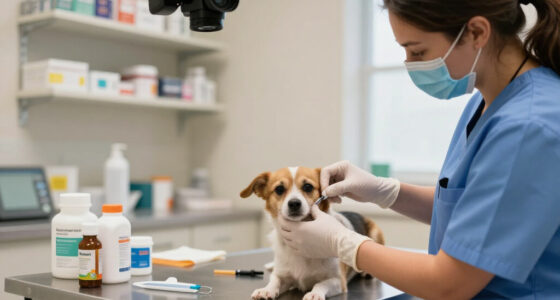
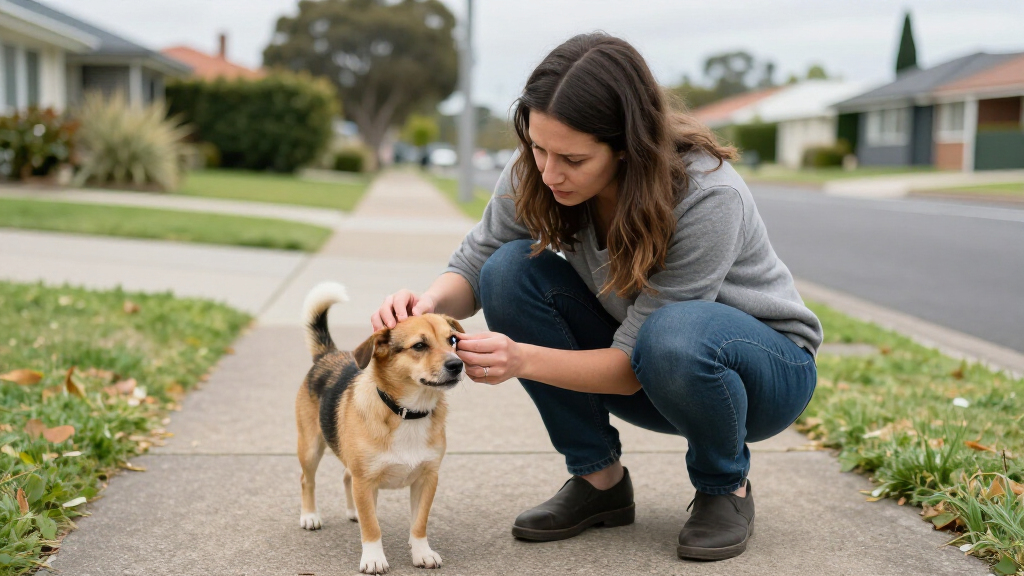
Health authorities, including Perth’s local veterinary associations, have issued advisories urging dog owners to verify their pets’ vaccination status and to seek immediate veterinary attention if symptoms such as vomiting, diarrhea, or lethargy are observed. The alert emphasizes that vaccination remains the most effective preventative measure against parvovirus.
While the source of the current spike is not yet confirmed, experts suggest that increased movement and socialization among dogs, especially in community parks and kennels, could be contributing factors. The local Department of Health has stated that investigations into the outbreak are ongoing, and they are monitoring the situation closely.
Implications for Pet Owners in Perth’s Northern Suburbs
This warning is significant because parvovirus can cause severe illness and death in dogs, especially those unvaccinated or too young to be vaccinated. The rise in cases indicates a potential public health concern for pet owners, as the disease spreads rapidly in communal areas and can lead to costly veterinary treatments or loss of pets if not caught early. The alert underscores the importance of vaccination, social distancing, and prompt veterinary care to prevent a wider outbreak.
For the broader community, the situation highlights the need for increased awareness and responsible pet ownership, particularly in densely populated neighborhoods where the virus can spread quickly. Authorities’ efforts to contain the outbreak and inform the public are crucial to minimizing impacts on both animal health and community well-being.
As an affiliate, we earn on qualifying purchases.
Background on Parvovirus and Recent Trends in Perth
Parvovirus has long been recognized as a highly contagious viral disease affecting dogs worldwide. It typically spreads through contact with contaminated feces, soil, or infected animals, and can survive in the environment for months. Vaccination has proven to be an effective preventative measure, and outbreaks often occur when vaccination rates decline or in areas with high dog populations.
In Perth, there have been periodic reports of parvovirus outbreaks over the past decade, with vaccination campaigns reducing incidence rates. However, recent months have seen a spike in reports from various regions, including the northern suburbs, which has prompted renewed concern among veterinary professionals. The current surge appears to be part of a broader pattern of increased cases across parts of Australia, although the specific cause of the recent rise in Perth remains under investigation.
Public health officials have previously emphasized that maintaining high vaccination coverage is essential to prevent large-scale outbreaks, especially in urban and peri-urban areas with active pet communities.
As an affiliate, we earn on qualifying purchases.
Unconfirmed Details About Outbreak Scope and Causes
It is not yet clear how widespread the current outbreak is or how many cases have been confirmed, as authorities have not released specific figures. The exact source of the spike in cases remains under investigation, and it is uncertain whether the increase is due to lapses in vaccination coverage, environmental factors, or other causes. Additionally, the duration of the outbreak and whether it is expected to worsen are still unknown.
As an affiliate, we earn on qualifying purchases.
Next Steps in Monitoring and Containment Efforts
Veterinary and health authorities are expected to continue surveillance, gather more data on confirmed cases, and possibly implement targeted vaccination campaigns in affected areas. Pet owners are advised to stay informed through official channels, ensure their pets’ vaccinations are current, and seek veterinary care if symptoms develop. Further updates on the outbreak’s scope and containment measures are anticipated over the coming weeks.

Gokemuak Erste Hilfe Set Hund Katze, 170-teiliger Reiseapotheke Hund
- Comprehensive 170-Piece Kit: Includes essential items for pets
- Durable Carrying Case: Made from high-quality nylon material
- Organized Storage: Multiple compartments for easy access
As an affiliate, we earn on qualifying purchases.
As an affiliate, we earn on qualifying purchases.
Key Questions
What are the symptoms of parvovirus in dogs?
Common symptoms include vomiting, severe diarrhea (often with blood), lethargy, loss of appetite, and dehydration. If these are observed, pet owners should seek veterinary care immediately.
How can I protect my dog from parvovirus?
The most effective protection is ensuring your dog is fully vaccinated, especially puppies. Avoid contact with unknown or unvaccinated dogs and maintain good hygiene around your pets.
Is the outbreak limited to the northern suburbs?
Currently, reports are concentrated in the northern suburbs, but investigations are ongoing to determine if other areas are affected. Pet owners elsewhere should remain vigilant.
Can parvovirus be cured?
While there is no cure for the virus itself, early veterinary treatment with fluids, medications, and supportive care can significantly improve survival chances.
Should I be worried about my vaccinated dog?
Vaccination provides strong protection, but no vaccine is 100% effective. Maintaining vaccination and practicing good hygiene reduces risk but does not eliminate it entirely.
Source: rss