
TL;DR
The ASPCA Recovery & Rehabilitation Center has launched playgroups to support dogs’ emotional healing during recovery. Early results indicate improved well-being and reduced stress among the dogs. This initiative highlights innovative approaches to animal rehabilitation.
The ASPCA Recovery & Rehabilitation Center has introduced structured playgroups as a key component of its dog recovery program, aiming to improve emotional well-being and reduce stress among rescued animals. This initiative is part of a broader effort to enhance rehabilitation methods and promote successful rehoming. The program’s early results suggest that dogs participating in playgroups show signs of improved behavior and reduced anxiety, marking a potential shift in animal recovery practices.
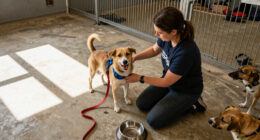
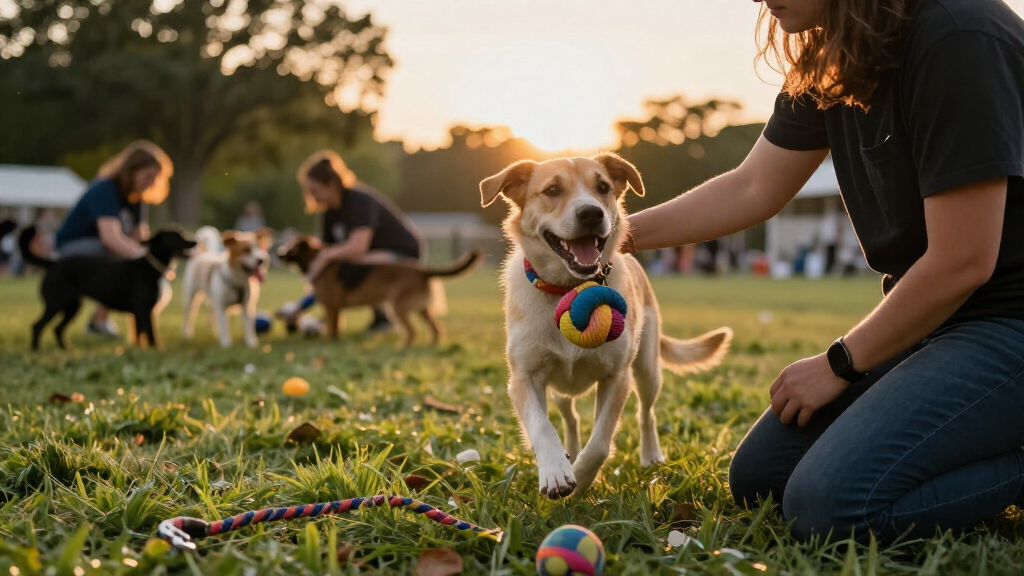
The ASPCA Recovery & Rehabilitation Center in New York City has launched playgroups involving supervised social interactions among dogs in recovery. According to ASPCA officials, the program is designed to help dogs cope with trauma, build confidence, and develop social skills that are often diminished after rescue and shelter stays. The playgroups are carefully managed by trained staff and volunteers, ensuring safety and positive interactions.
Preliminary observations from the program indicate that dogs engaging in playgroups exhibit decreased signs of stress, such as pacing and whining, and show increased engagement and curiosity. Veterinarians and animal behaviorists involved in the program note that such socialization can accelerate emotional healing and improve overall health outcomes. The initiative also aims to prepare dogs for successful adoption by fostering more confident, well-adjusted animals.
While the program is still in its early stages, initial feedback from staff and volunteers is positive. The ASPCA plans to monitor long-term effects and gather data on behavioral improvements, adoption rates, and animal welfare metrics to evaluate the program’s effectiveness further.
Impact of Playgroups on Dog Recovery and Adoption
This initiative demonstrates a shift toward more humane and psychologically informed recovery practices for rescued animals. Early results suggest that social play can significantly reduce stress and improve emotional health, which are critical factors in successful rehabilitation and rehoming. If sustained, this approach could influence animal rescue standards nationwide, leading to more effective recovery strategies that prioritize mental well-being alongside physical health.
Melatonin Tropfen für Hunde und Katzen 60ml,Beruhigende Haustier Tropfen für Entspannung,Schlafunterstützung,Reise,Feuerwerk und Stresssituationen,Flüssiges Nahrungsergänzungsmittel für Hunde & Katzen
- Supports calm and relaxation: For dogs and cats in stress
- Promotes healthy sleep rhythm: Helps pets with sleep issues
- Reduces stress and anxiety: Gentle formula for stressful situations
As an affiliate, we earn on qualifying purchases.
As an affiliate, we earn on qualifying purchases.
Innovative Approaches in Animal Rehabilitation
The use of playgroups in animal recovery settings has gained attention in recent years as a method to improve emotional outcomes for rescued dogs. Traditionally, shelters and recovery centers have focused on medical treatment and basic care, with less emphasis on socialization. The ASPCA’s new program aligns with emerging research suggesting that social interactions and play are vital for mental health. Similar initiatives have been implemented in other shelters, but the ASPCA’s large-scale program and early positive results make it a noteworthy case study in evolving animal care practices.As an affiliate, we earn on qualifying purchases.
What Long-Term Effects Are Still Unclear
It is not yet clear how sustained the benefits of the playgroup program will be over time. Researchers are still collecting data on long-term behavioral improvements, adoption success rates, and whether these social interactions lead to better integration in new homes. Additionally, the impact on different breeds or age groups remains to be studied, and some staff caution that individual differences may influence outcomes.
interactive dog toys for emotional healing
As an affiliate, we earn on qualifying purchases.
As an affiliate, we earn on qualifying purchases.
Next Steps in Evaluating Playgroup Effectiveness
The ASPCA plans to continue monitoring participating dogs over the coming months, collecting data on behavioral and health metrics. They also intend to expand the program to include more dogs and potentially incorporate additional socialization activities. Results from this ongoing evaluation will inform whether the approach becomes a standard part of their rehabilitation protocol and could influence similar programs at other shelters nationwide.
As an affiliate, we earn on qualifying purchases.
Key Questions
How are the playgroups structured at the ASPCA center?
The playgroups are supervised sessions where dogs interact with each other in a controlled environment, managed by trained staff and volunteers to ensure safety and positive interactions.
Social play is believed to reduce stress, build confidence, and promote emotional healing, which can lead to better behavior and higher chances of successful adoption.
Are all dogs suitable for participation in playgroups?
No, participation is assessed on a case-by-case basis. Dogs with certain behavioral or health issues may not be suitable, but the program aims to include as many appropriate candidates as possible.
Could this approach be adopted by other shelters?
Yes, if the program continues to show positive results, it could serve as a model for other animal rescue organizations seeking to improve emotional recovery for dogs.
Source: rss